When someone walks through the doors of a physical therapy clinic after an orthopedic injury, they're carrying more than a diagnosis. They're carrying fear, frustration, and a deep desire to get back to the life they knew before the injury changed everything. At AtlantaPT, we understand that healing is never just about the joint, the muscle, or the bone — it's about the whole person. And the science is catching up to what good clinicians have always known: the body is an interconnected system, and recovery depends on understanding every part of it.
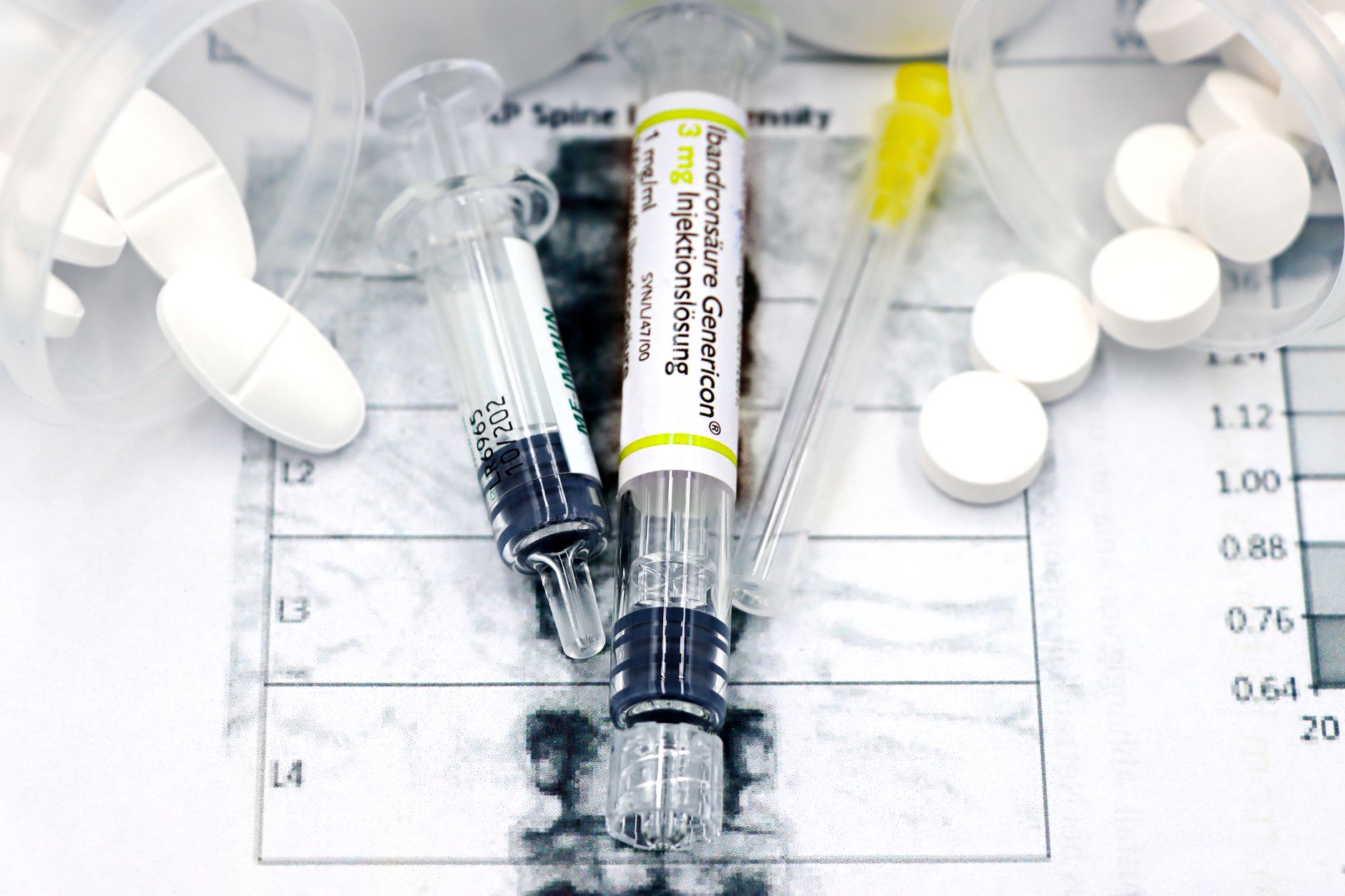
One of the most important — and often overlooked — pieces of that system is hormonal health. Medical experts are now sounding the alarm about how hormonal imbalances can quietly undermine multiple body systems, affecting everything from metabolism and mood to sleep and energy levels. For patients recovering from orthopedic injuries, this is not abstract science — it is deeply practical information that can mean the difference between a smooth recovery and a frustrating plateau.
WILL YOUR BUSINESS SURVIVE THE NEXT 5 YEARS?
Find out in 5 minutes. 15 questions. Confidential.
Consider what hormones actually do in the context of musculoskeletal recovery. Cortisol, the body's primary stress hormone, plays a direct role in inflammation regulation. Testosterone and estrogen influence bone density and muscle repair. Thyroid hormones govern the metabolic rate at which tissues rebuild themselves. Growth hormone, as the name implies, drives the regeneration of damaged structures. When any of these are out of balance — whether due to chronic stress, age, poor sleep, or underlying conditions — the body's ability to heal is compromised at a foundational level.
This is why orthopedic physicians and physical therapists who take a whole-body approach to patient care are increasingly asking questions that go beyond the imaging results and the surgical notes. How is the patient sleeping? What does their energy look like? Are they experiencing mood disruptions that might signal a hormonal issue? These are not peripheral concerns. They are central to the recovery timeline.
"When we see a patient who isn't progressing the way we'd expect, we've learned to look beyond the injury itself. The body doesn't heal in isolation — hormones, sleep, nutrition, and stress all show up in the rehab room whether we invite them or not. Our job is to meet the whole person, not just the diagnosis." — Laura McMurrain, AtlantaPT
This whole-person philosophy is becoming increasingly validated by the broader healthcare community. As medical institutions invest more heavily in understanding systemic health, the tools available to practitioners are evolving rapidly. One of the most exciting frontiers is the integration of artificial intelligence into healthcare delivery and research. Enterprise AI company Amity recently opened a Southeast Asian AI Research and Application Center in Singapore, backed by a US$100 million Series D funding round, with a focus on developing agentic AI and vertical applications across industries — including healthcare. The potential for AI to help clinicians identify patterns in patient recovery data, flag hormonal or systemic red flags earlier, and personalize treatment protocols is enormous.
And the global momentum behind AI in healthcare isn't slowing down. Hong Kong is positioning itself as a bridge between European innovation and Asia's AI manufacturing and research networks, creating new pathways for healthcare technology to scale globally. For patients and providers alike, this means that the diagnostic and therapeutic tools available in the coming years will be more precise, more personalized, and more powerful than anything we've had access to before.
What does this mean for the orthopedic patient sitting in a therapy clinic today? It means that the standard of care is rising — and that patients deserve providers who are committed to staying ahead of that curve. It means that the conversation between an orthopedic physician and a physical therapist is becoming richer and more data-informed. And it means that the days of treating a knee replacement patient the same way regardless of their age, hormonal profile, stress levels, or sleep quality are numbered.
TO BE A DISRUPTOR, OR BE DISRUPTED — THAT IS THE QUESTION
"The 9th Disruption" — your free copy. Read it before your competition does.
At AtlantaPT, that integrated mindset is already at the core of how we work. Every patient who comes to us after an injury — whether it's a rotator cuff tear, a total hip replacement, a lumbar disc herniation, or a sports-related ACL rupture — receives care that accounts for who they are as a whole human being. We communicate closely with referring orthopedic physicians because we know that the best outcomes happen when the entire care team is aligned and informed.
The importance of rigorous evaluation processes in high-stakes fields is a reminder that precision matters. India's National Testing Agency is currently conducting thorough evaluations of over 10,000 objections to the NEET-UG medical entrance exam answer key, underscoring how seriously the medical community takes accuracy and accountability at every level — from training the next generation of physicians to treating patients on the floor. That same commitment to getting it right, every time, is what drives quality physical therapy practice.
Even in the world of healthcare investment, the stakes of precision are clear. Advanced Medical Solutions Group PLC continues to attract significant institutional interest, reflecting broader market confidence in companies that deliver reliable, innovative medical products. Investors recognize what patients already know: healthcare that works — that genuinely heals — is invaluable.
For anyone navigating an orthopedic injury right now, the message is this: your recovery is not a simple, linear process, and you don't have to treat it like one. The science of healing is expanding. The tools available to your care team are improving. And the understanding that hormonal balance, systemic health, and whole-person wellness are not optional add-ons but essential pillars of recovery is gaining the mainstream recognition it deserves.
At AtlantaPT, our mission has always been simple: you get hurt, we heal. But healing — real, lasting, get-back-to-your-life healing — requires seeing you fully. That's a commitment we make to every patient who trusts us with their recovery, and it's one we take as seriously as any mission we've ever been given.