11991, 2005
The Internet Years.
I caught the internet wave standing on the beach before most people knew there was an ocean. Through the ’90s I raised over $100 millionfor internet companies at investor dinners at the Ritz-Carlton — WebMD was one of our first pitches — and invested across 200+ companies from 1994 to 1998.
I became a partner in Escape Artist, then the largest website in the world for living, working, and traveling internationally. We published more than 20,000 articles— before WordPress, before “content marketing” had a name — and I learned the law I’ve lived by ever since: content creates conversations, and conversations create conversions. I moved to Panama in 2000 to build an international real estate business on that platform; we sold Escape Artist in 2005.
22004, 2010
The Chapter I Own.
Let me tell you this part myself, plainly, because I’d rather hand you my whole file than have you find half of it.
In 2004, I was indicted on federal financial-fraud charges connected to capital I had raised — a portion of which funded a technology-driven micro-loan company using ACH and debit cards to distribute loans of up to $1,000, where I served as an officer of Georgia’s micro-loan industry association and our stores served over 40,000 customers. Of the roughly $100 million I raised across my career, the case centered on about $10 million connected to that company, of which the government determined approximately $773,000 was misused. Of my 80 investors, one filed the complaint. Facing decades if I went to trial, I accepted a plea after two years of pre-trial: 87 months. I served about 46, and walked out in January 2010.
Here is the truth I’ve arrived at after twenty years of reflection: there was never a morning I woke up intending to defraud anyone — and it doesn’t matter. I was reckless. I was 30-something, successful too fast, and my friend Jack Daniels and I flew far too close to the sun.
The law calls reckless disregard fraud, and the law is right to. I did the time because I earned the lesson.
And the lesson saved my life. Inside, I read over 450 books. I founded a prisoner re-entry program called ITEA that graduated more than 500 inmatesduring the era the Second Chance Act became law. I wrote a book — Learning to Shave Without a Mirror— about the seven-tactic framework for rebuilding a life, called MIRACLE, that I still teach today.
When serious investors ask me, “What’s the one thing you learned in prison?” my answer never changes: I don’t want to go back.You’re not looking at a saint. You’re looking at a proven operator with scar tissue — and in my experience, scar tissue is load-bearing.
Transparency, in full: the case is a matter of public record. It is more than twenty years old and the docket is no longer posted online. My complete disclosure is provided in writing, and discussed openly, with every investor and partner — before they ask.
32010, 2017
Rebuilding.
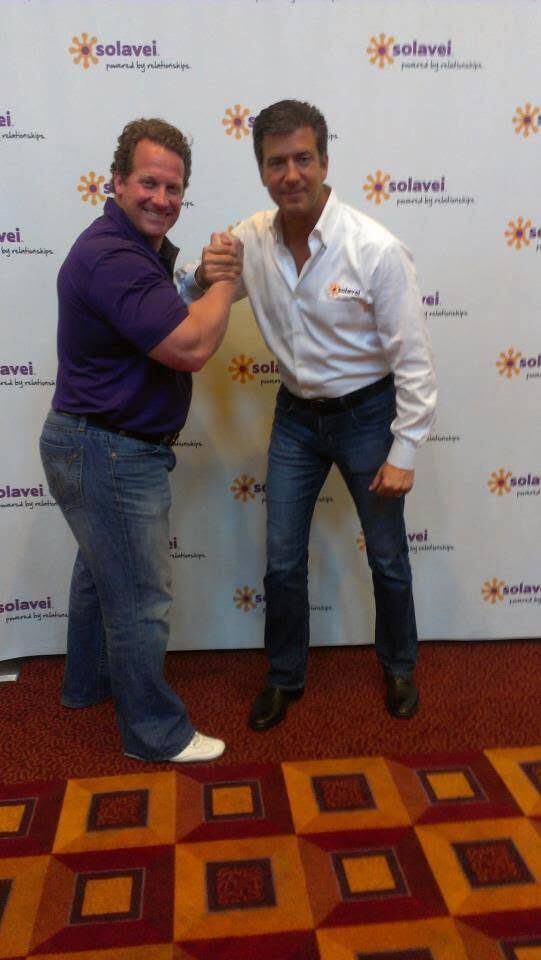
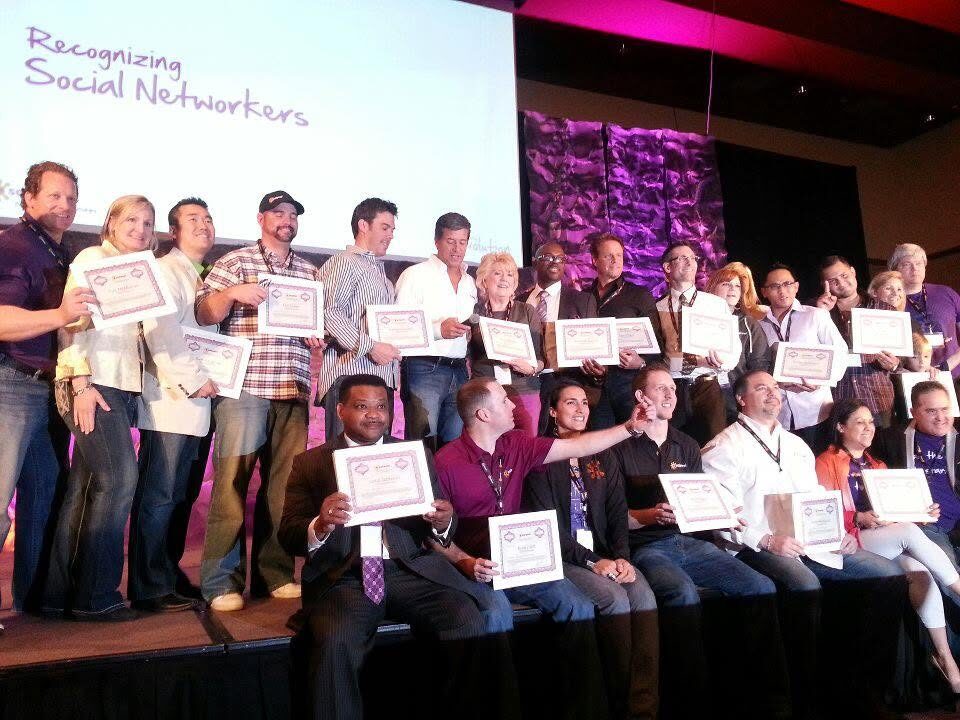
Supervised release required a full-time job, so my first year out I worked at a car dealership — humbling, clarifying, useful. Then I went back to what I do: building organizations. At Solavei, a mobile-network company, I built a 53,000-personorganization and ranked #3 company-wide before T-Mobile’s non-renewal dissolved it.
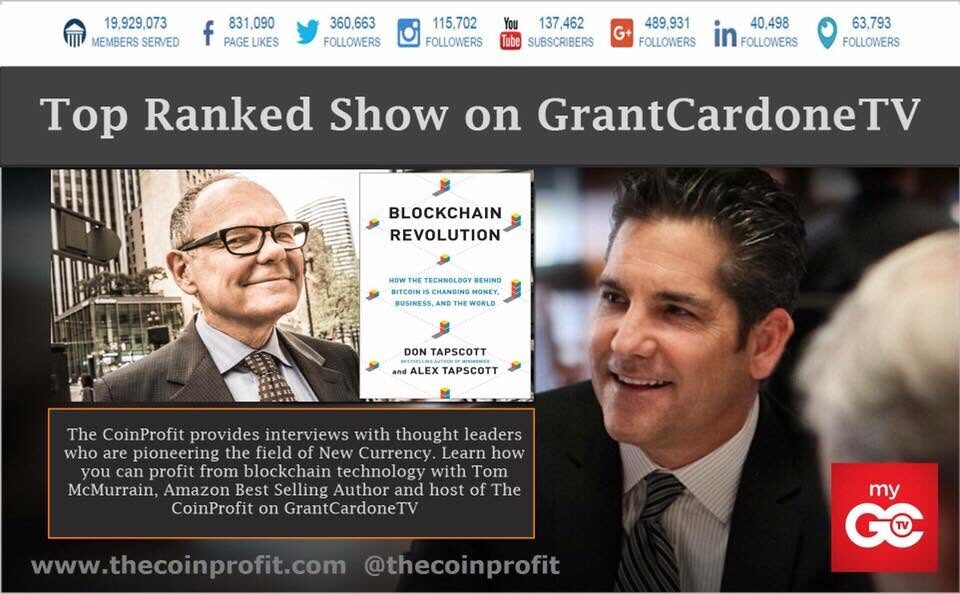
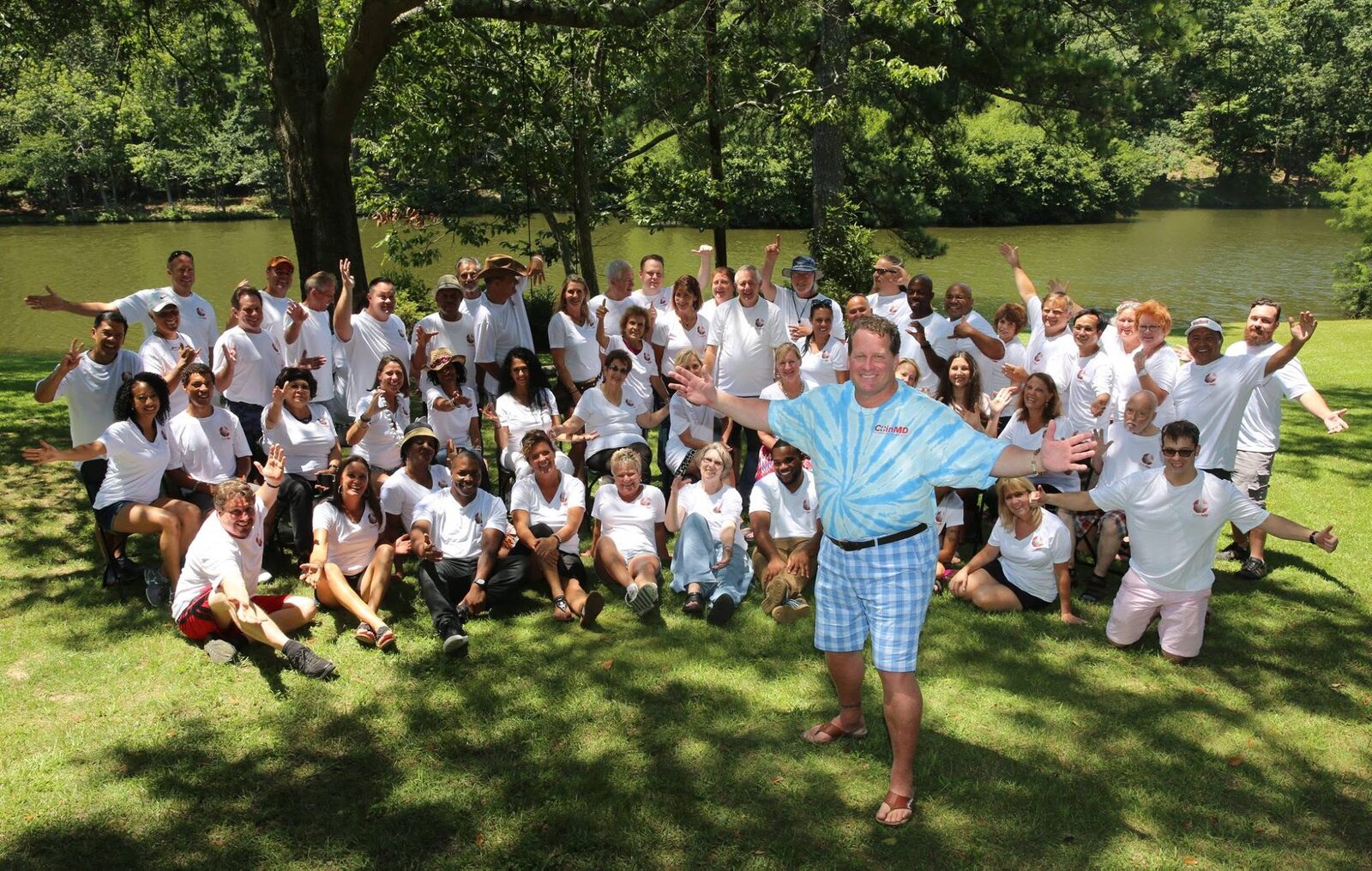
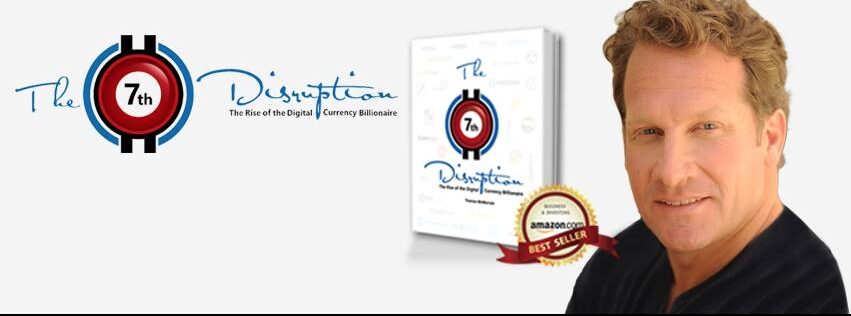
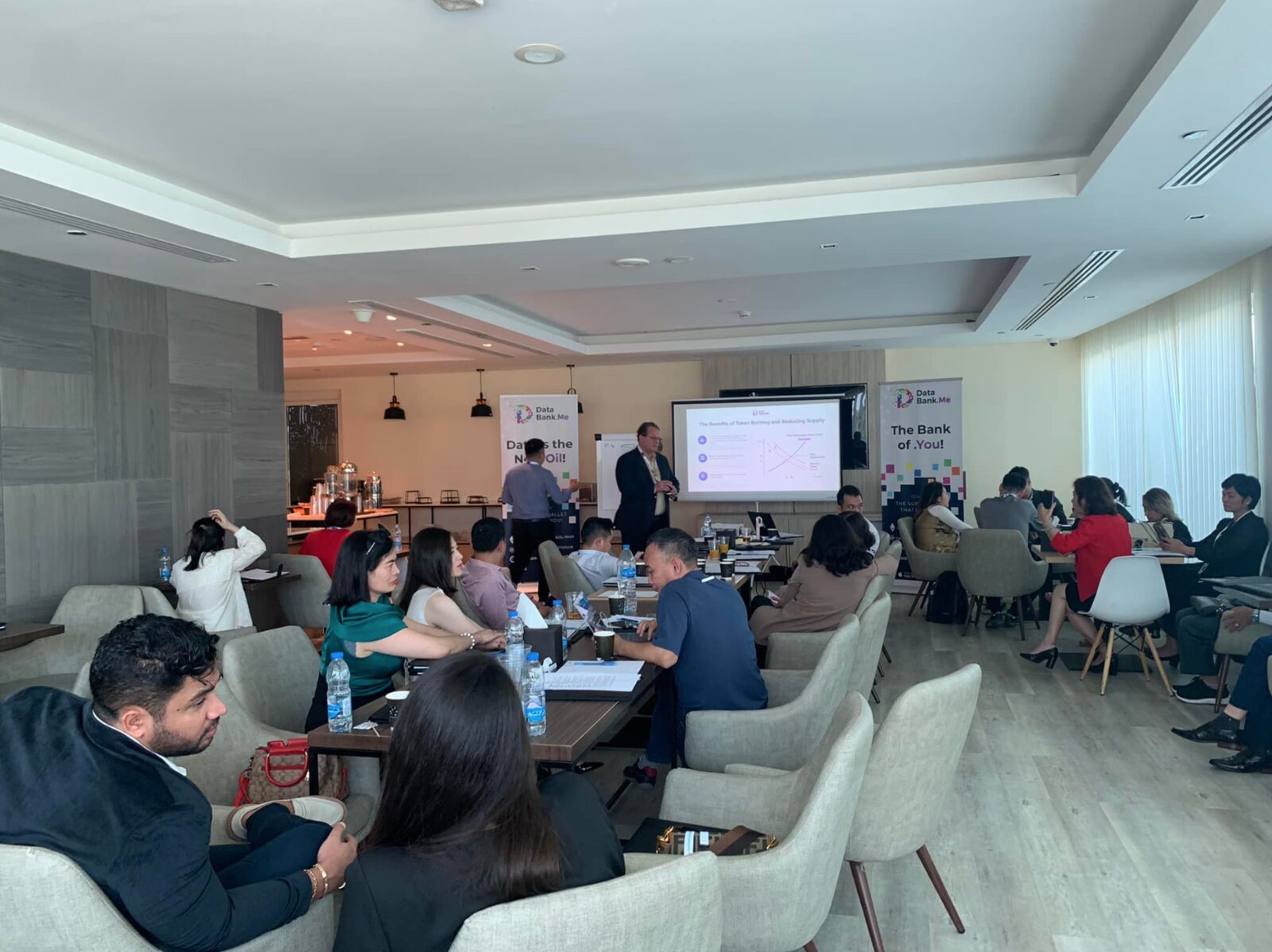
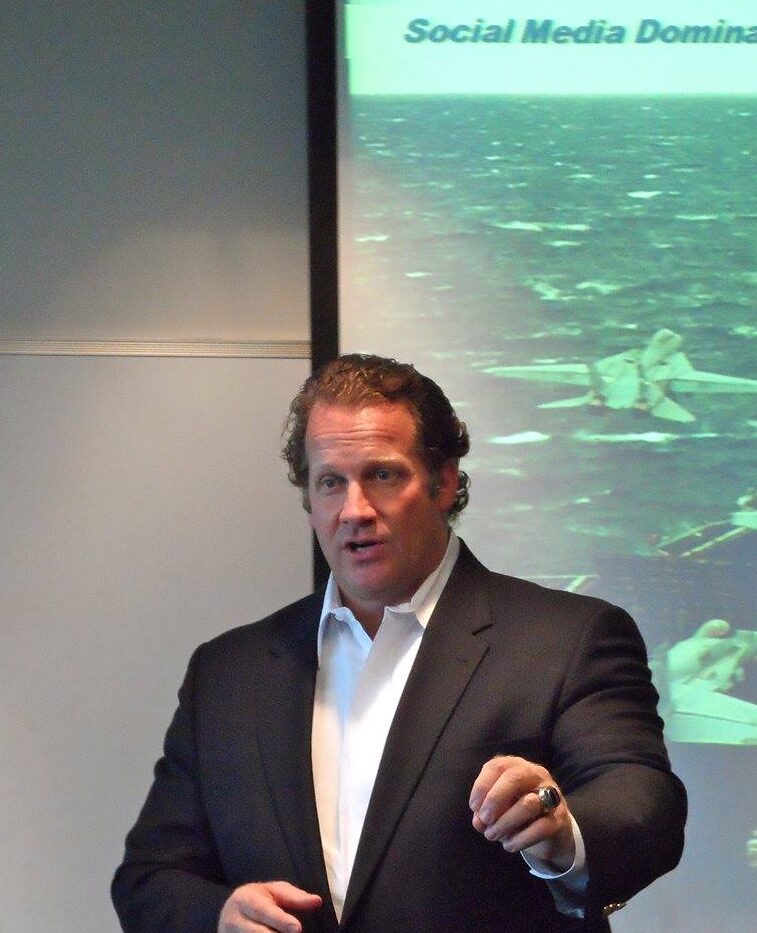
Along the way I discovered Bitcoin, and everything changed. I wrote The 7th Disruption: The Rise of the Digital Currency Billionaire — an Amazon bestseller downloaded over 400,000 times— and launched The Coin Profit, the first show on Grant Cardone’s GCTV network, interviewing pioneers like Don Tapscott, Charlie Shrem, Brock Pierce, and Tim Draper. I was hired to travel the world educating people on blockchain — 40 countries, over 100,000 peoplein rooms I taught — and built a 440,000-person education organization.
That chapter ended badly through no plan of mine: the company’s founder fled with billions and remains on the FBI’s most-wanted list today. I’ve been on both sides of the crypto gold rush — the stage and the wreckage — and I teach from both.
42017, 2024
The Operator Years.
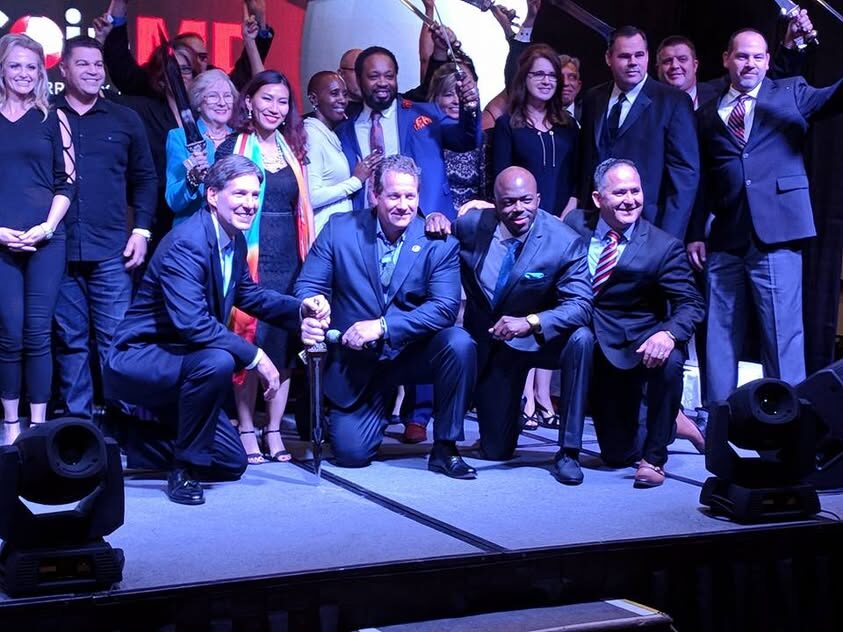
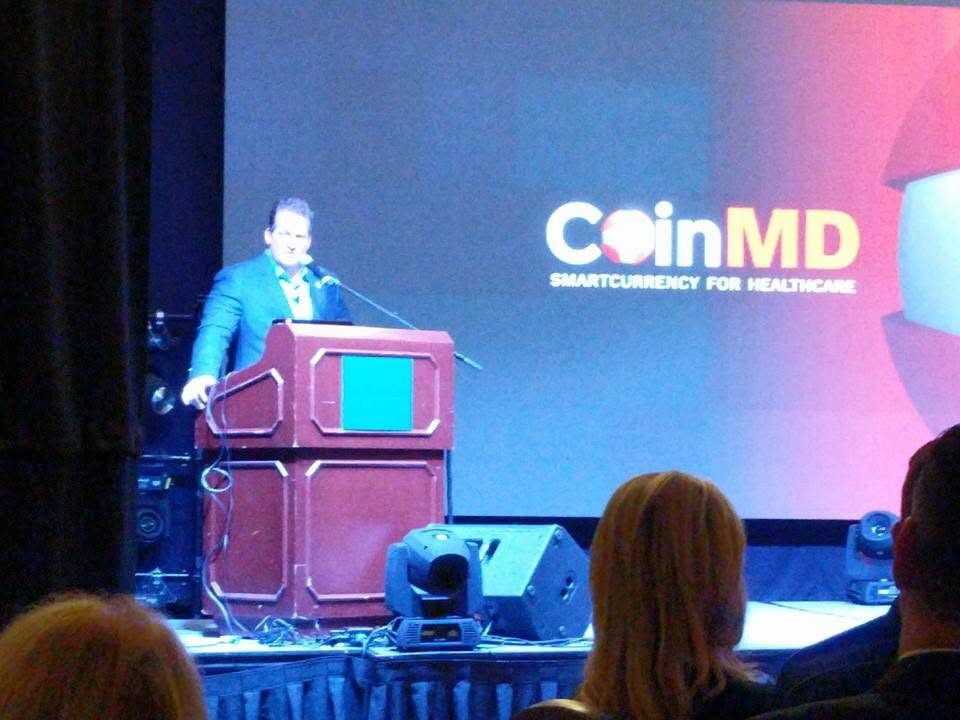
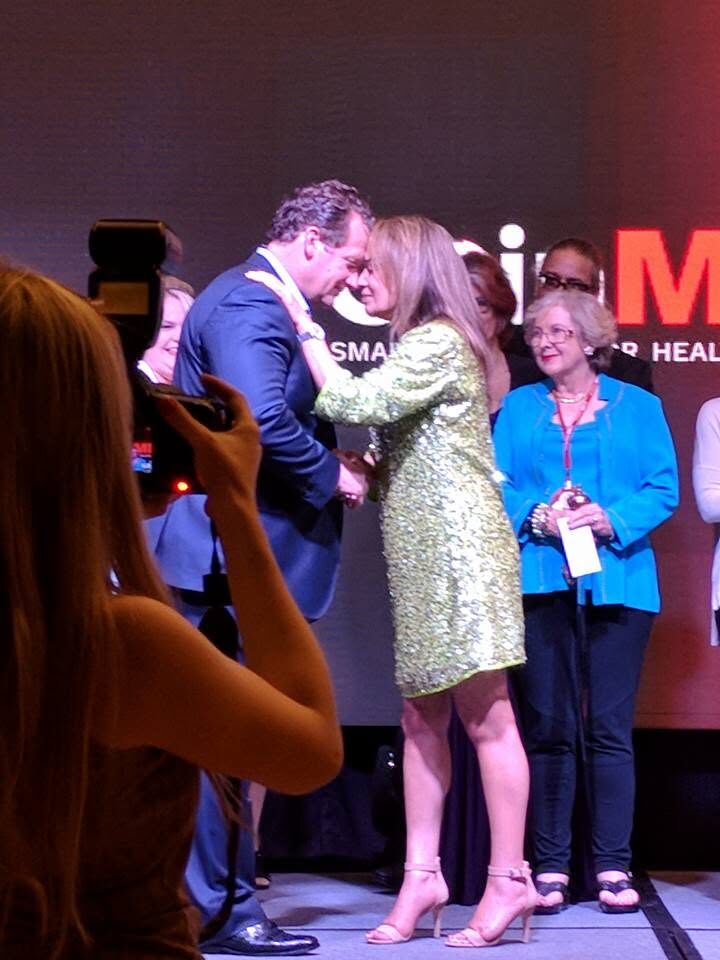
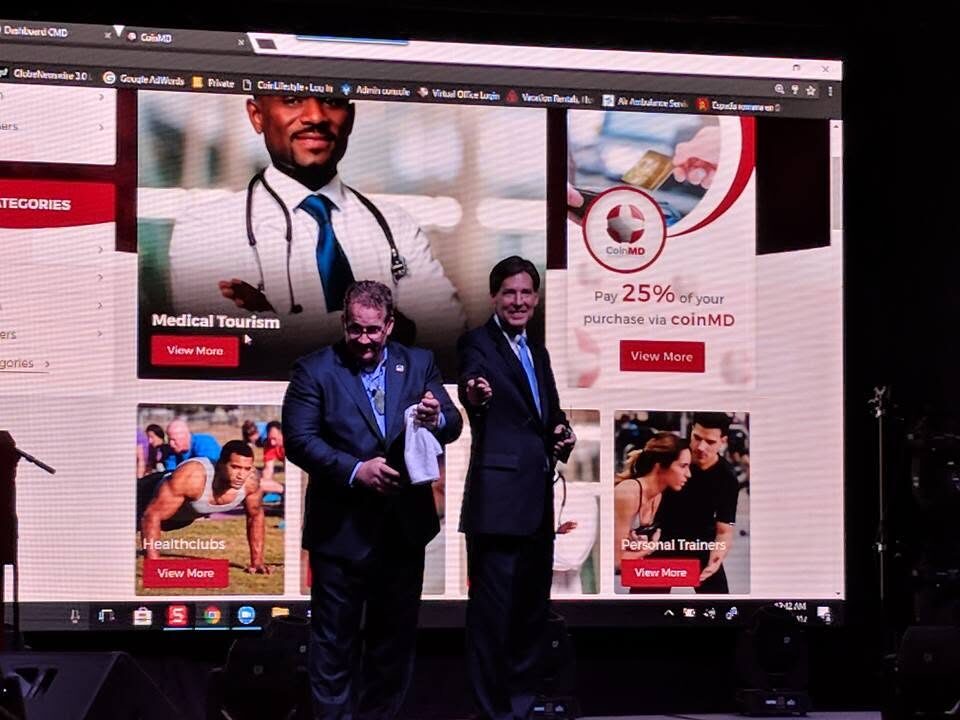
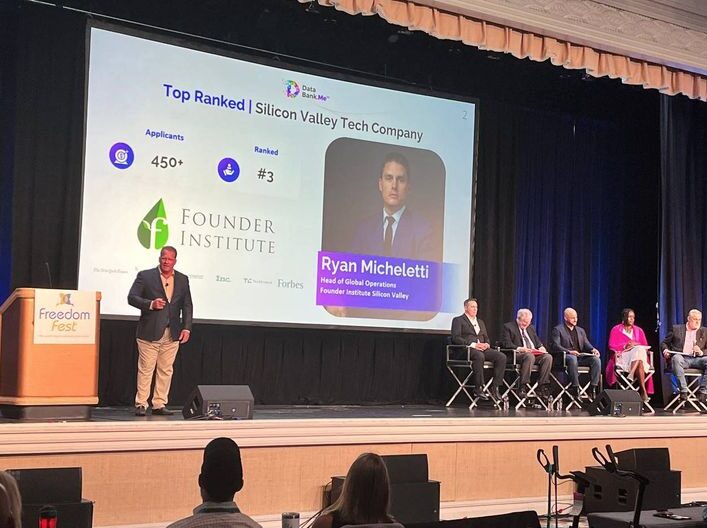
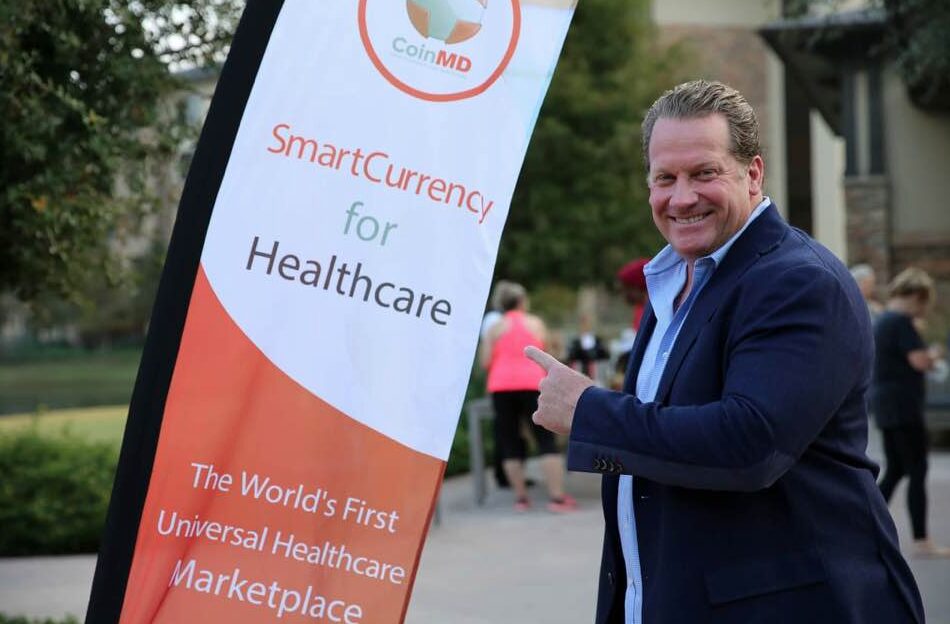
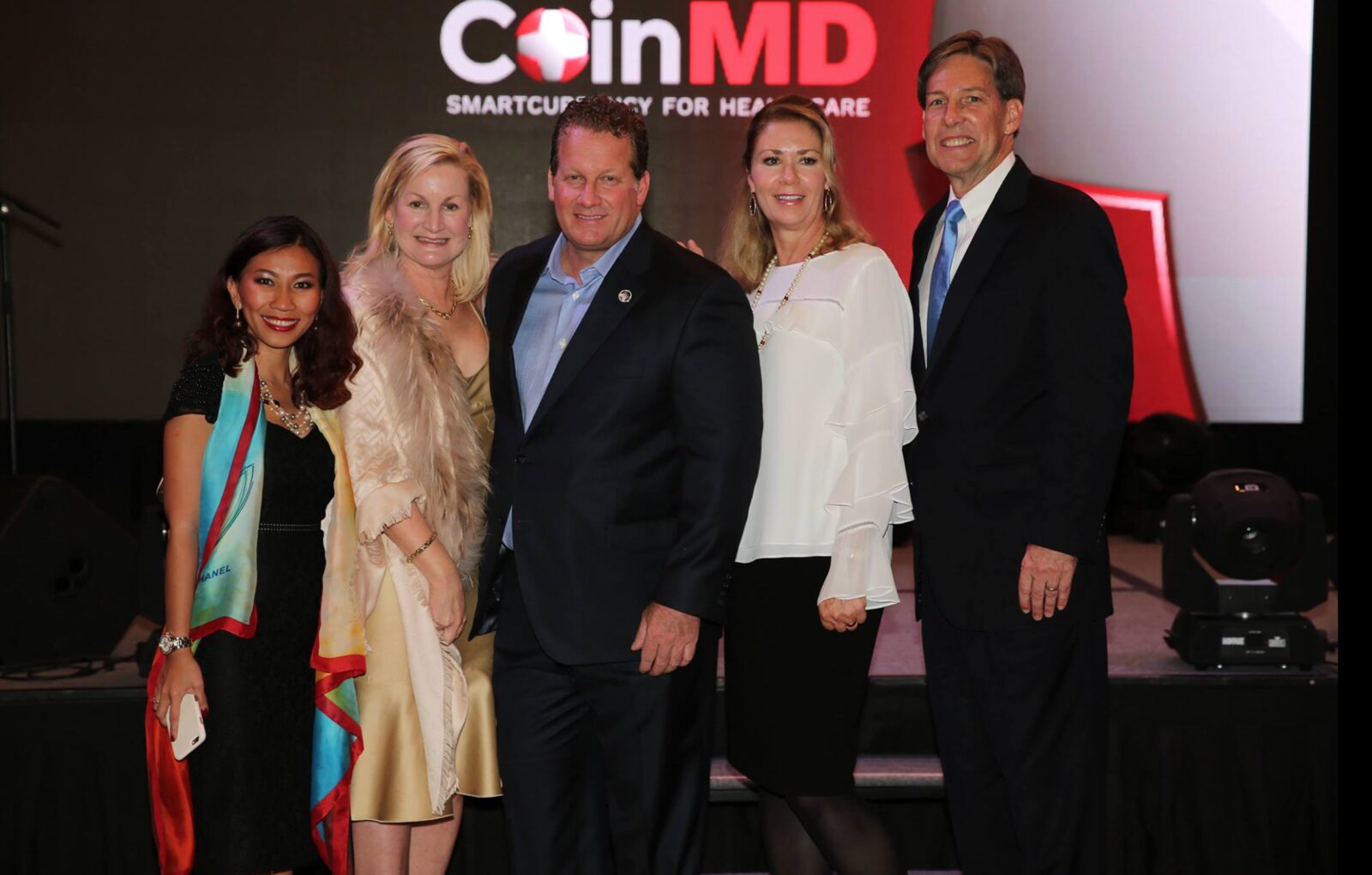
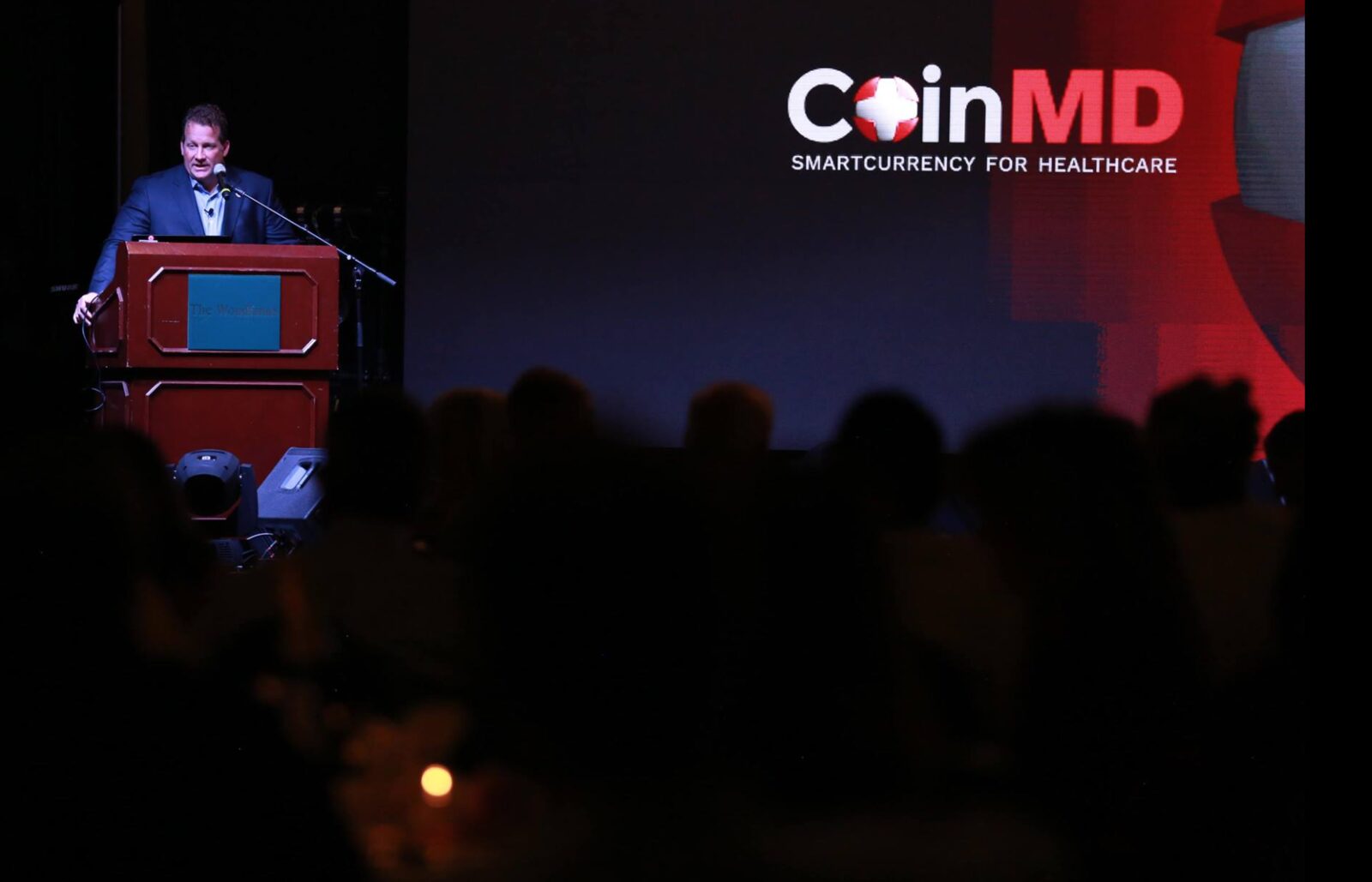
In 2017 I founded a health-data company, CoinMD — rebranded CMDX, later databank.me. In 2022 I was accepted into the Founders Institute, Silicon Valley’s storied incubator, and finished ranked #3. I sold the company in 2023 for health reasons and retired — briefly. Retirement had other plans.
52025, now
Midas.
ChatGPT ended my retirement in a single sleepless week. I’d seen two waves — the internet and blockchain — and I knew this third one was bigger than both. In 2025 I founded Buji Development Corporation and launched the first Agent Midas on N8N; when the new AI coding agents arrived in early 2026, I rebuilt everything: 20 enterprise applications, 500,000 lines of code, in 100 days, directing 100 AI agents — without writing code myself— certified under Google’s CASA Tier 2 security framework at 9.7/10 on the first pass.
In May 2026 we became Midas.CEO: the AI Co-CEO for the 45+ Main Street operator, and a platform where the people AI displaces can build their next act. The company that sells AI leverage was built with AI leverage. I am the proof of my own product.