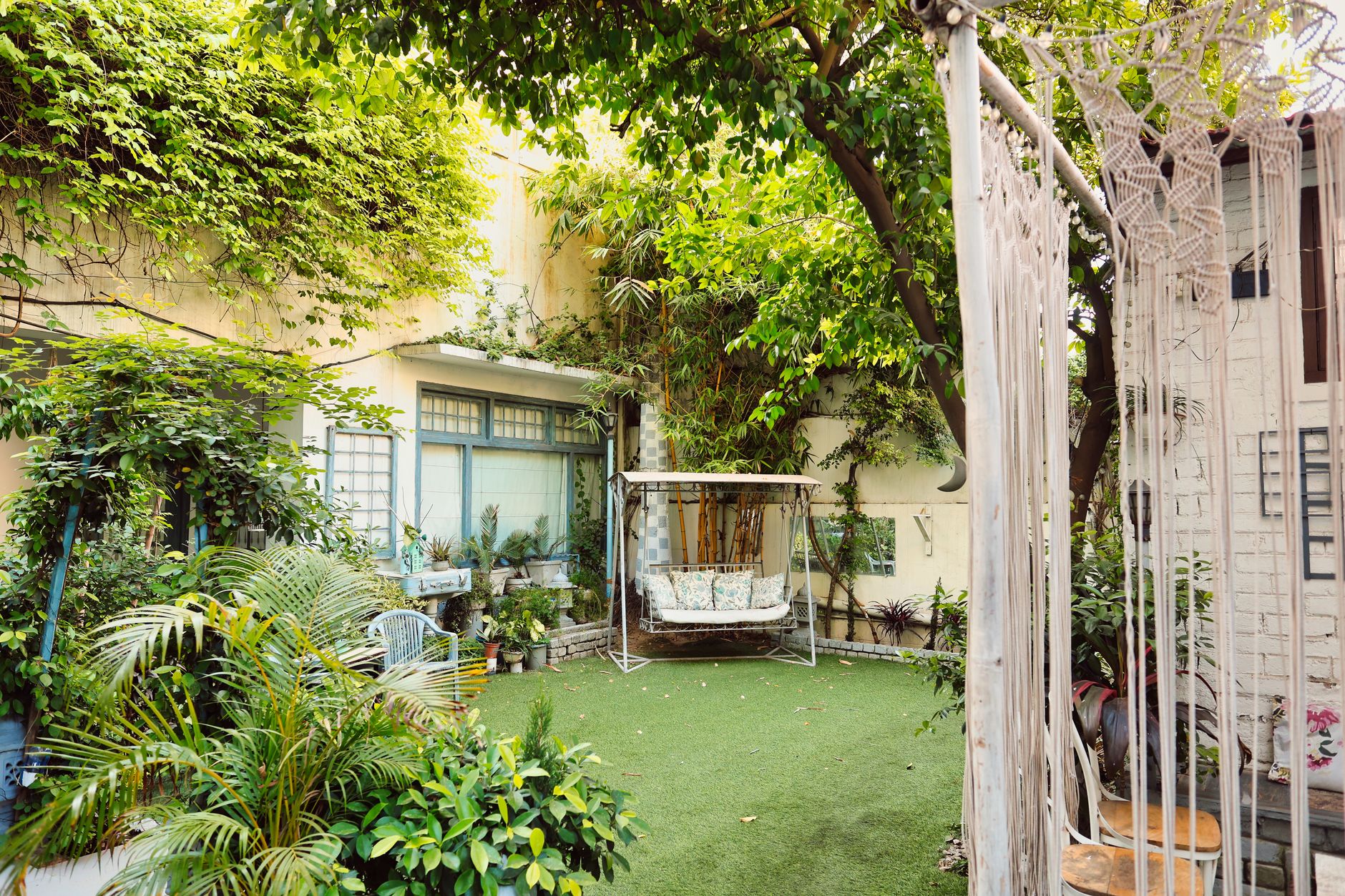
When you hire someone to build a space where your family will gather for the next twenty years, you are not buying a product. You are buying trust. That distinction matters more right now than at almost any point in recent memory—because the signals coming out of the broader economy are telling homeowners to think carefully about where they put their money, and what they expect in return.
At EagleBuilt Construction, John Simpson and his team build outdoor living environments—the kind of spaces where kids grow up, neighbors become friends, and memories get made. That mission demands a standard of service that goes far beyond laying pavers or framing a pergola. And right now, several converging forces are making that standard more important than ever.
What Does Market Turbulence Have to Do With Your Backyard?
More than you might think. When high-profile investors stumble, homeowners pay attention. Leopold Aschenbrenner, a former OpenAI researcher whose Situational Awareness hedge fund made headlines for bold AI bets, is now reportedly unwinding significant positions after steep losses. The story is a reminder that even the most sophisticated investors can get burned chasing speculative returns.
.png)
Homeowners with disposable income are watching these headlines. Some are quietly shifting priorities—away from volatile financial instruments and toward tangible, lasting investments. A well-designed outdoor living environment does not fluctuate with a market ticker. It adds real, appraised value to a home. It delivers daily returns in the form of quality of life. That is not a pitch. That is a pattern that experienced contractors see play out every time economic uncertainty rises.
The lesson from Aschenbrenner's situation is not about crypto or AI stocks. It is about the danger of chasing complexity over fundamentals. In construction, the fundamentals are craftsmanship, clear communication, and a contractor who stands behind the work.
Why Customer Experience Is the Real Differentiator in Construction
The outdoor living industry has no shortage of contractors. What it lacks is contractors who treat the process—not just the finished product—as part of the service. Homeowners consistently report that the experience of working with a builder matters as much as the outcome. Missed calls, vague timelines, and surprise costs erode trust faster than any structural defect.
"When a family invites us onto their property, they are trusting us with more than a project—they are trusting us with the place their kids will grow up," says John Simpson, founder of EagleBuilt Construction. "I came from the Marines, where you do not cut corners and you do not leave people behind. That standard follows me to every job site, every conversation, every single day."
.png)
That philosophy is not just good values. It is good business. In a market where word-of-mouth and online reviews drive the majority of residential construction leads, reputation is the most durable asset a contractor can build.
How Global Energy Trends Are Shaping Outdoor Construction Choices
Two separate policy developments this week signal that the push toward sustainable building is accelerating—and homeowners who plan outdoor living projects should take note. India's Prime Minister Modi directed ministers to accelerate the country's shift toward renewable energy, including solar, as part of a broader strategic response to regional instability. Separately, Ireland's government appointed four new members to its Climate Change Advisory Council, tasked with guiding carbon reduction policy and advising on emissions targets.
These are not abstract policy stories. They reflect a global momentum that is landing in American backyards. Homeowners are increasingly asking about solar-ready pergola structures, energy-efficient outdoor lighting, and sustainable hardscape materials. Contractors who understand these trends—and can speak to them intelligently—earn deeper client trust and win more projects.
The best outdoor living contractors are already integrating these conversations into their design consultations. Sustainability is no longer a niche selling point. It is a baseline expectation for the discerning homeowner.
.png)
The Preservation Instinct: Why People Fight to Protect What They Love
Here is a story that might seem out of place—but stay with it. In Moscow, thousands of citizens have rallied to save the neo-Gothic Elektrozavod factory from redevelopment, an increasingly rare act of civic protest in Russia. The building, with its distinctive brick crenellations and colorful mosaics, has become a symbol of something people refuse to let disappear.
That impulse—to protect spaces that carry meaning—is universal. It is exactly why homeowners invest in outdoor living environments in the first place. A covered patio where a family has shared a thousand dinners is not just concrete and wood. It is a place worth protecting. Building it right the first time is how a contractor honors that instinct.
Meanwhile, in the financial world, Coinbase reported its third consecutive quarter of record crypto trading volume, with 88% of net revenue now coming from non-Bitcoin sources. The platform's diversification strategy is a useful analogy for homeowners: do not put everything into one volatile asset. Invest in things that hold value across conditions—including the physical spaces where life actually happens.
.png)
What This Means for Your Next Outdoor Project
The convergence of economic uncertainty, sustainability pressure, and rising homeowner expectations is not a threat to quality outdoor living construction. It is a filter. It separates contractors who build to a standard from those who build to a price.
Homeowners with the resources to invest in a well-crafted outdoor environment are asking better questions than ever before. They want to know about material sourcing, project timelines, warranty coverage, and how their contractor handles problems when they arise. These are the right questions—and the answers reveal everything about who you are hiring.
Frequently Asked Questions
Is an outdoor living space a good investment in an uncertain economy?
Yes. Tangible home improvements, particularly outdoor living environments, consistently add appraised value and daily quality-of-life returns. Unlike financial instruments, a well-built outdoor space does not fluctuate with market volatility. Real estate data from the National Association of Realtors consistently shows outdoor improvements among the highest-return renovation categories.
How do I evaluate the service quality of an outdoor construction contractor?
Ask for references from completed projects, review their communication practices during the sales process, and request a written project timeline with milestone check-ins. Contractors who prioritize transparency before the contract is signed tend to maintain that standard throughout the build.
.png)
Are sustainable materials available for outdoor living projects?
Yes. Options include composite decking made from recycled materials, permeable pavers that manage stormwater runoff, and pergola structures pre-wired for solar integration. A knowledgeable contractor can guide you toward materials that align with both your aesthetic goals and sustainability values.
How long does a quality outdoor living project typically take to complete?
Timelines vary based on scope, permitting requirements, and material lead times. A straightforward patio and pergola installation may take two to four weeks. Larger multi-feature environments with kitchens, fire features, and custom structures can run eight to sixteen weeks. A reputable contractor will provide a detailed schedule before breaking ground.
If you are ready to build a space that your family will gather in for decades—built by a team that treats your property with the same discipline and care they would give their own—EagleBuilt Construction is the place to start that conversation. Reach out to John Simpson and his team to schedule a design consultation and take the first step toward an outdoor environment built to last.