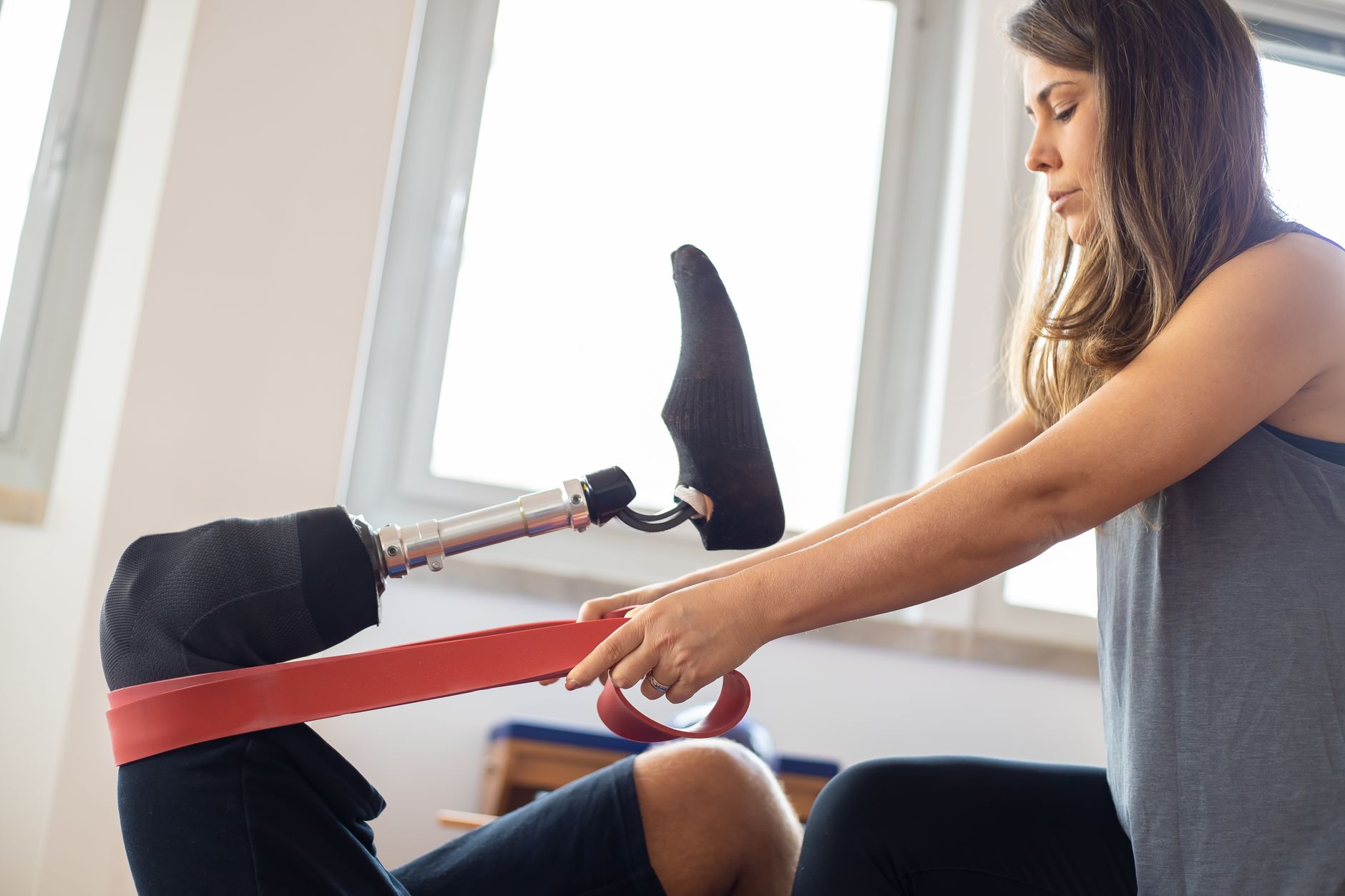
Every fall in a hospital or nursing home carries a price tag. The average cost of a fall-related injury for a Medicare patient exceeds $30,000, and that number does not include the downstream costs of litigation, staff turnover, or extended length of stay. For rehabilitation professionals who manage gait training daily, the question is no longer whether better tools matter — it is how fast those tools pay for themselves.
That is the core ROI conversation driving innovation in physical therapy right now, and it is one that Gait Buddy LLC was built to answer directly.
WILL YOUR BUSINESS SURVIVE THE NEXT 5 YEARS?
Find out in 5 minutes. 15 questions. Confidential.
The Real Cost of Inadequate Gait Training Support
Workplace musculoskeletal injuries among physical therapists and rehabilitation aides remain one of the most underreported cost centers in health care. The Bureau of Labor Statistics consistently ranks health care support occupations among the highest for work-related injury rates. When a clinician is injured assisting a patient through ambulation, the facility absorbs workers' compensation costs, temporary staffing expenses, and the invisible cost of reduced morale.
Rehabilitation hospitals, long-term care facilities, and outpatient clinics are all under pressure to do more with less. Staffing ratios are tighter. Reimbursement windows are shorter. Patient acuity is higher. In that environment, every tool that reduces physical strain on the clinician while simultaneously improving the patient's active participation in therapy delivers a measurable return on investment — in safety, in outcomes, and in staff retention.
"When I look at what rehabilitation facilities are spending on workers' comp claims and fall-related incidents, the math becomes very clear very fast. Investing in the right gait training aide is not an expense — it is risk mitigation with a documented return. We built Gait Buddy around the idea that protecting your staff and advancing your patient's recovery are not competing priorities; they are the same mission." — Dale Boudreaux, Founder, Gait Buddy LLC
What Does Research-Backed Investment in Health Innovation Look Like?
The University of Queensland recently announced that 15 researchers secured $29 million from the National Health and Medical Research Council to accelerate programs targeting cancer, chronic disease, chronic pain, and neurological conditions, according to Mirage News. The NHMRC Investigator Grants scheme is designed specifically to fast-track emerging research priorities — a model that reflects a broader global commitment to funding outcomes-driven health science.
Chronic pain and mobility impairment sit squarely within that research landscape. As evidence-based protocols evolve, rehabilitation facilities that have already invested in superior gait training infrastructure are better positioned to implement new clinical findings quickly. The facilities that lag on equipment and process upgrades face a longer adoption curve — and a longer period of suboptimal patient outcomes.
Why Active Patient Participation Is a Financial Metric
Passive rehabilitation is expensive rehabilitation. When patients are passive recipients of care rather than active participants, therapy sessions take longer, functional gains come slower, and readmission risk increases. Medicare and Medicaid reimbursement models have moved decisively toward value-based care, which means that patient outcomes directly affect a facility's revenue.
Gait training that promotes active patient participation — where the patient is engaged, upright, and moving with appropriate support — compresses recovery timelines. Shorter stays in acute rehab translate to lower cost per case. Higher functional discharge scores translate to better star ratings for nursing homes and assisted living facilities. Better star ratings translate to higher census. The ROI chain is traceable and real.
Heat, Environment, and the Hidden Demand on Rehab Staff
Environmental stressors on clinical staff are often overlooked in cost analyses. The UK's Met Office is currently monitoring what could be the fifth heatwave of the summer, with temperatures potentially reaching 36°C, prompting possible amber or red extreme heat warnings, as reported by The Guardian. While that headline originates overseas, it reflects a pattern familiar to health care administrators in warm-climate U.S. regions: heat increases physiological strain on staff, elevates fall risk in patients with thermoregulatory challenges, and compounds the physical demands of manual patient handling.
Facilities that rely on manual lift-and-assist techniques during high-demand periods — whether driven by heat, high census, or short staffing — face compounding injury risk. Equipment that reduces the manual burden on clinicians is not a luxury in those conditions. It is a staffing resilience strategy.
TO BE A DISRUPTOR, OR BE DISRUPTED, THAT IS THE QUESTION
"The 9th Disruption", your free copy. Read it before your competition does.
The Repair-and-Retain Mindset: A Lesson from Retail That Applies to Rehab
An unexpected parallel comes from the retail sector. Major clothing brands from Uniqlo to Zara are now offering in-store repair services and sewing workshops to attract younger consumers who prioritize sustainability and long-term value over disposability, according to AP News. The strategic insight is straightforward: durable, well-maintained tools retain value longer and build deeper loyalty than cheap, disposable alternatives.
That mindset translates directly to rehabilitation equipment procurement. Facilities that invest in durable, clinician-grade gait training aides — and maintain them properly — realize a lower total cost of ownership than those cycling through cheaper alternatives that wear out quickly or fail to meet clinical standards. The procurement conversation has shifted from unit price to lifecycle value.
Global Collaboration and What It Signals for Health Care Standards
International health care dialogue continues to expand. India's High Commissioner to Bangladesh, Dinesh Trivedi, recently met with Prime Minister Tarique Rahman to discuss bilateral relations and mutual interests, as noted by The Financial Express Bangladesh. Separately, political conversations in the United States continue to test the boundaries of social policy, as seen in Wisconsin's 2026 gubernatorial primary race covered by Yahoo News. These broader geopolitical and domestic currents shape the regulatory and funding environment that ultimately governs health care reimbursement policy — a reminder that rehabilitation administrators benefit from staying informed about the policy landscape, even when the headlines seem distant from the clinic floor.
FAQ: Gait Training ROI and Rehabilitation Equipment Investment
How does gait training equipment reduce costs for hospitals and nursing homes?
Superior gait training aides reduce the physical burden on clinicians, lowering workers' compensation claims and injury-related staffing gaps. They also support faster patient recovery, which shortens length of stay and improves value-based reimbursement scores. Both outcomes directly reduce operational costs.
What is the measurable impact of active patient participation in gait rehabilitation?
Active participation accelerates functional gains, reduces readmission risk, and improves discharge scores. Under Medicare's value-based care models, better discharge outcomes translate to higher reimbursement rates and improved facility ratings, which influence patient census and revenue.
How do gait training aides protect clinical staff from workplace injury?
Properly designed gait training equipment reduces the need for manual patient handling during ambulation. This lowers the biomechanical load on therapists and aides, decreasing the incidence of musculoskeletal injuries — one of the most common and costly categories of workplace injury in health care settings.
Which care settings benefit most from investing in gait training technology?
Acute care hospitals, rehabilitation hospitals, skilled nursing facilities, assisted living facilities, outpatient clinics, and home health agencies all benefit. Any setting where ambulation support is part of the care plan can realize measurable gains in staff safety, patient outcomes, and operational efficiency.
Your Next Step Toward Measurable Outcomes
The ROI case for superior gait training support is no longer theoretical. It is visible in workers' compensation claims, readmission rates, length-of-stay data, and star ratings. If your facility is ready to quantify what better gait training infrastructure could mean for your cost structure and patient outcomes, Gait Buddy LLC is the place to start that conversation. Explore the full line of clinician-grade rehabilitation aides at Gait Buddy LLC and take the first step toward a measurable return — for your patients, your staff, and your bottom line.