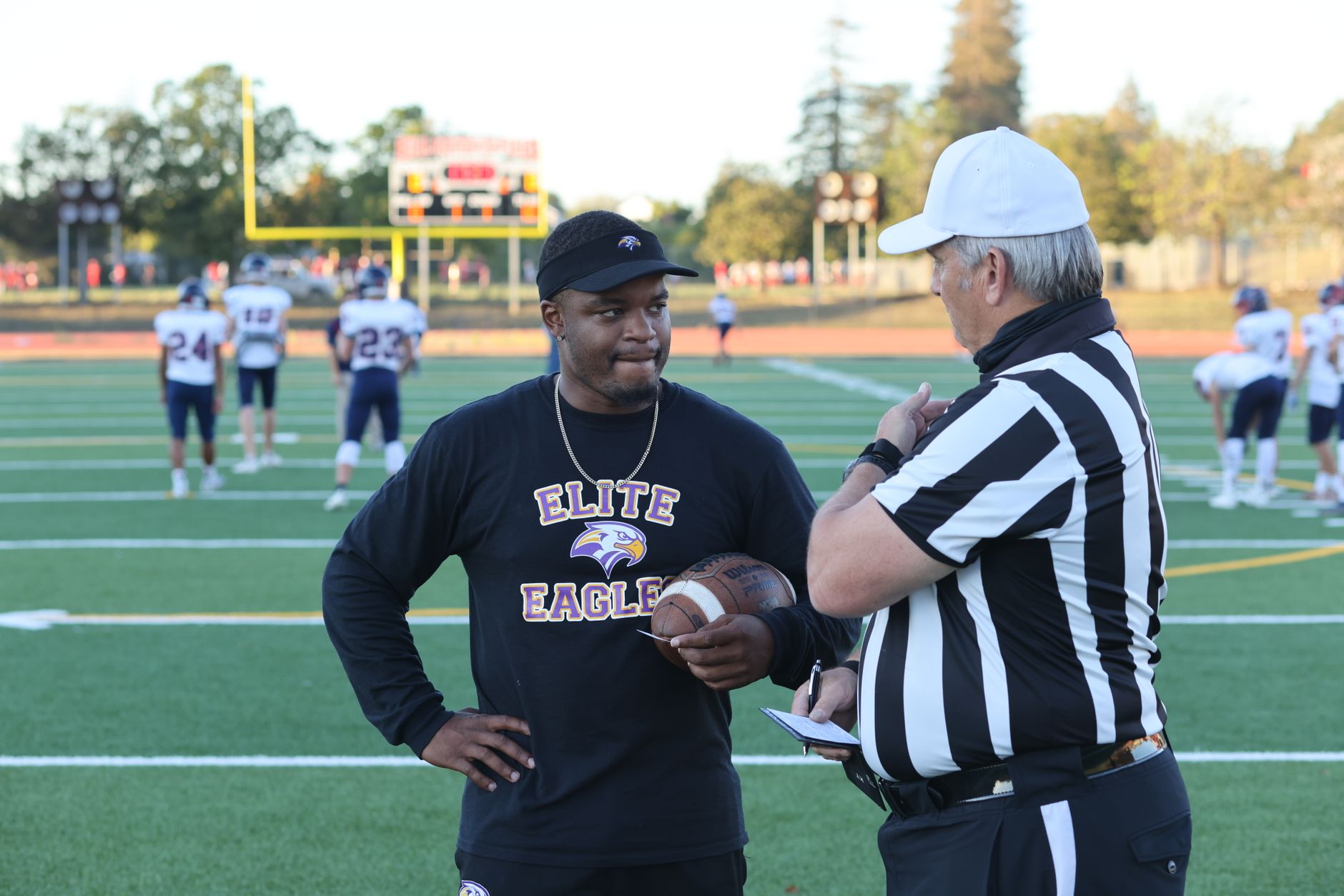

When a football coach walks into training camp, he does not wonder whether his team needs a culture. He already knows the answer. The real question is whether that culture is strong enough to win when the pressure is highest. That same question sits at the center of every small business, every daycare center, and every early childhood education facility trying to deliver consistent, excellent service to the people who depend on them most.
Right now, across New Jersey and beyond, coaches are making exactly that calculation. Rutgers football coach Greg Schiano has made headlines for demanding his defense play like "piranhas" this season — relentless, coordinated, impossible to ignore. His new defensive coordinator inherited a unit with significant turnover, brought in over a dozen transfers, and is now tasked with building cohesion fast. Sound familiar? That is the exact challenge facing any organization that has recently hired, restructured, or simply grown faster than its internal systems could handle.
Strong Teams Are Built Before the Season Starts
Preparation is not a luxury. It is the competitive advantage. Big Central Conference coaches previewing the Freedom Silver Division's upcoming season spent Media Day not just talking about wins and losses, but about their biggest takeaways from last year. That kind of structured reflection — honest, direct, forward-facing — is what separates organizations that grow from those that simply repeat the same season over and over.
.png)
For small businesses and childcare operators, the pre-season equivalent is a culture and HR audit. Before you onboard new staff, before you open a new classroom, before you expand your client roster, you need to know exactly where your systems are strong and where they are fragile. Customer experience does not begin when a client walks through the door. It begins the moment your team shows up for work.
"The businesses I work with that deliver the most consistent client experience are the ones that treat their internal culture as a product — something they actively build, measure, and improve. You cannot pour from an empty cup, and you cannot deliver excellent service from a team that does not have clear expectations, real accountability, and genuine support." — Camilla Young, Founder, CamiCorp Consulting
What Happens When Strategy Replaces Ego
Not every organization gets the culture question right, and the consequences are visible. A pointed analysis of Newcastle United's position in English football recently argued that the club's struggles stem not from conspiracies or external forces, but from a fundamental gap between ambition and organizational infrastructure. The piece made a sharp observation: resources alone do not make an organization great. Systems, culture, and strategic clarity do.
.png)
This is a lesson that translates directly to the consulting room. Small business owners often believe that hiring more staff or investing in new technology will solve their service quality problems. Rarely is that true. The root cause is almost always structural — unclear roles, inconsistent onboarding, unresolved workplace conflict, or a leadership team that has never articulated what excellent performance actually looks like.
The Freedom Gold Division preview highlighted coaches from Woodbridge and Ridge setting explicit team goals for the season — not vague aspirations, but defined targets that every player and coach could point to. That level of alignment is what drives accountability. When every person on your team knows what success looks like, customer experience improves because execution becomes consistent.
The Cost of Decisions Made Without the Right Expertise
History offers some of the starkest lessons about what happens when smart people make consequential decisions without the right framework. A BBC Radio 4 documentary examining the Vietnam War's origins traces how a well-credentialed academic, operating with enormous influence but limited accountability, helped lead a nation into one of its most costly strategic failures. The lesson is not about politics. It is about the danger of expertise without wisdom, and authority without the right checks and culture around it.
.png)
In the context of small businesses and early childhood education facilities, this translates to a critical warning: having a smart founder or a well-meaning director is not enough. You need HR systems that protect your staff and your clients. You need conflict resolution processes that address problems before they escalate. You need a consulting framework that connects your daily operations to your long-term mission. Good intentions, without good systems, produce inconsistent results — and inconsistent results erode customer trust faster than almost anything else.
Service Quality Is a Team Sport
Every parent who enrolls their child in a daycare center is making a trust decision. Every entrepreneur who hires a consultant is betting on that person's ability to deliver. That trust is fragile, and it is built or broken by the quality of your team's daily execution — not by your mission statement on the wall.
The coaches preparing for the 2026 season know this. Schiano's piranha metaphor is not just colorful language. It describes a team that is coordinated, relentless, and impossible to ignore. That is exactly the standard that small businesses and childcare operators should hold for their service delivery. Every touchpoint with a client or a family — the intake call, the onboarding session, the difficult conversation, the performance review — is a moment where your culture either shows up or it does not.
.png)
Building that kind of team requires intentional HR strategy, clear performance frameworks, and the willingness to address conflict directly rather than let it fester. It requires leadership that models the behavior it expects. And it requires a commitment to ongoing improvement, not just seasonal check-ins.
Frequently Asked Questions
Why does workplace culture directly affect customer experience in small businesses?
Culture shapes how employees interact with clients every day. When staff have clear expectations, feel supported, and operate within healthy team dynamics, they consistently deliver better service. Disorganized or conflict-ridden workplaces produce inconsistent client experiences that erode trust over time.
What HR systems should a daycare or early childhood education facility have in place?
At minimum, facilities need documented onboarding processes, clear performance expectations, a conflict resolution protocol, and regular staff check-ins. These systems protect both employees and the children and families in their care, and they form the foundation of regulatory compliance and service quality.
.png)
How does business consulting improve service quality for small businesses?
A strategic business consultant identifies gaps between your current operations and your service goals. They help you build the systems, processes, and team alignment needed to deliver consistent results — rather than relying on individual effort or good intentions alone.
When should a small business owner bring in a mediator or HR consultant?
Ideally before a conflict escalates, not after. If you notice declining team morale, increased staff turnover, client complaints, or unresolved interpersonal tension, those are early indicators that outside expertise can prevent a much larger disruption to your business and your client relationships.
Ready to Build a Team That Delivers Every Time?
If your business is growing but your systems have not kept pace, or if your team has the talent but not the cohesion, CamiCorp Consulting works with small businesses, entrepreneurs, and early childhood education facilities to close that gap. From HR strategy and performance frameworks to workplace mediation and culture development, the work starts with an honest look at where you are — and a clear plan for where you need to go. Reach out to CamiCorp Consulting to schedule a strategic consultation and start building the team your clients deserve.