
When a new leader steps into a broken organization, the first instinct is often to point at what was left behind. Sound familiar? Whether it's a city hall crumbling under neglect or a small business team quietly disengaged, the pattern is universal: inherited dysfunction doesn't fix itself, and blame doesn't rebuild culture. Strategy does.
For small businesses, daycare centers, and early childhood education facilities, this challenge is more common than most leaders admit. A founder burns out. A manager exits badly. A team loses its rhythm. What gets left behind isn't just a to-do list. It's a culture gap, and closing that gap requires intentional leadership, not just good intentions.
Why Inherited Culture Problems Are a Leadership Issue First
A FrontPage Africa investigation into Monrovia City Hall found significant deterioration in the building's theater section, with the Monrovia City Corporation acknowledging the facility was inherited in poor condition while outlining restoration efforts. The story isn't unique to Liberia's capital. It plays out in organizations everywhere when accountability gets deferred and maintenance, whether physical or cultural, gets deprioritized.
In small businesses and childcare environments, culture deteriorates the same way buildings do: gradually, then suddenly. A toxic communication pattern goes unaddressed. Staff turnover spikes. Parents or clients notice the shift before leadership does. The infrastructure of trust erodes quietly until it becomes impossible to ignore.
.png)
The leaders who recover fastest are the ones who stop auditing the past and start building the future. That distinction matters enormously.
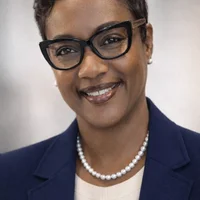
"Every leader I work with who has walked into a broken culture wants to spend the first month explaining what they inherited. I understand that impulse, but the team doesn't need an explanation, they need a direction. The fastest path to transformation is deciding, on day one, that the culture you want starts with how you show up today." — Camilla Young, CamiCorp Consulting
What Does a Rebuilding Framework Actually Look Like?
Governance leaders in Nigeria's Imo State have been executing what they call a 3R philosophy: Reconstruct, Rehabilitate, and Recover. According to TheTimes.com.ng, the framework targets infrastructure, institutions, and economic repositioning simultaneously. The principle translates directly to organizational culture work.
For small business owners and childcare directors, a parallel framework looks like this:
.png)
- Reconstruct your people systems. Audit job descriptions, onboarding processes, and performance expectations. If they don't exist in writing, they don't exist at all.
- Rehabilitate your team relationships. Conflict that has been ignored doesn't disappear. It calcifies. Mediation and structured dialogue restore the psychological safety teams need to perform.
- Recover your organizational identity. What does your business stand for? What behaviors get rewarded? Culture is defined by what you tolerate as much as what you celebrate.
This isn't abstract theory. It's the operational reality for any leader managing people through transition.
How High-Performance Leaders Get Recognized, and Why It Matters to You
Axel Berntsson, President and CEO of Bulten AB, was recently named to the Future Top Executives 2026 list by Dagens industri and Bain & Company. According to FinanzNachrichten.de, Berntsson was recognized for initiating a powerful transformation since joining the company, selected from among 25 individuals identified by Sweden's leading executive search firms as likely to lead major organizations within three to five years.
What gets a leader on that list? Transformation. Not tenure. Not title. The ability to move an organization from where it is to where it needs to be.
For the owner of a ten-person daycare or a consulting firm with a handful of contractors, the scale is different. The leadership competency is identical. The leaders who build strong cultures, develop their people deliberately, and create systems that outlast any single employee are the ones who build businesses worth scaling.
.png)
Athlete Development Thinking Belongs in Your HR Strategy
Yogesh Sharma, Director of Para Athlete Development at the Paralympic Committee of India, recently met with Russian Paralympic Committee President Pavel Rozhkov to discuss structured training, international exposure, and long-term development systems for para athletes. As reported by ANI, the conversation centered on building stronger support ecosystems that give athletes a genuine pathway to excellence.
That language should resonate with every business owner managing staff. Structured development. Support systems. Clear pathways. These aren't elite sports concepts. They are the fundamentals of any retention strategy that actually works.
Early childhood education facilities face some of the highest staff turnover rates in any sector. The solution isn't always compensation. It's often the absence of a development pathway. When employees see no growth ahead, they leave. When they see investment in their skills and career, they stay and they perform.
Culture Is the Long Game, and Community Proves It
The CRDB Bank International Marathon in Tanzania recently crossed the Sh5 billion mark in social impact funding since its 2020 launch, drawing approximately 17,000 participants in its seventh edition. The Citizen reports that the event has evolved from a sporting event into a major community development initiative supporting healthcare, youth empowerment, and local growth.
.png)
What began as a single event became a cultural institution because the organizing team committed to a long-term mission, not a one-time result. That is exactly how workplace culture works. You don't build it in a retreat. You build it in thousands of small, consistent decisions about how people are treated, developed, and heard.
For small businesses and childcare operators, this means the investment you make in your team's culture today compounds over years. The staff member you develop becomes your lead teacher or your operations manager. The conflict you address early doesn't become the lawsuit you navigate later. The values you articulate clearly become the reputation that attracts your next great hire.
Frequently Asked Questions
How do I rebuild team culture after a difficult leadership transition?
Start with a structured listening process before making any changes. Employees need to feel heard before they will trust new direction. From there, establish clear expectations, address unresolved conflict through mediation, and build a 90-day culture reset plan with visible milestones.
What are the biggest culture risks for small businesses and daycare centers?
The most common risks are undefined expectations, unresolved interpersonal conflict, and the absence of a formal onboarding or development process. These gaps create inconsistency, erode trust, and drive turnover, all of which directly impact the quality of care or service delivered.
.png)
How does HR consulting differ from business consulting for small organizations?
HR consulting focuses on people systems: hiring, onboarding, performance management, conflict resolution, and compliance. Business consulting addresses operational strategy, growth planning, and organizational design. The most effective engagements integrate both because people problems and business problems are rarely separate issues.
When should a small business owner bring in a mediator?
Mediation is most effective before a conflict becomes a formal complaint or legal matter. If two team members' tension is affecting team performance, a client relationship has broken down, or a workplace dispute is escalating, structured mediation creates a path to resolution that preserves relationships and protects the organization.
The Bottom Line for Leaders Ready to Build
Inherited dysfunction is a starting point, not a permanent condition. The leaders and organizations covered across this week's news share one common thread: the ones moving forward have committed to a framework, invested in their people, and stopped waiting for perfect conditions to begin.
If your business is navigating a culture gap, a leadership transition, or a team that has lost its momentum, CamiCorp Consulting works specifically with small businesses, entrepreneurs, and early childhood education facilities to design the people systems and strategic frameworks that drive real performance. The transformation you want is a strategy away. Reach out to CamiCorp Consulting to start building yours.