The convergence of artificial intelligence and automation is fundamentally transforming how businesses operate across industries, from defense manufacturing to renewable energy. As we witness unprecedented technological advancement, SaaS companies have a unique opportunity to capitalize on this shift by developing solutions that bridge the gap between complex industrial processes and user-friendly software platforms.
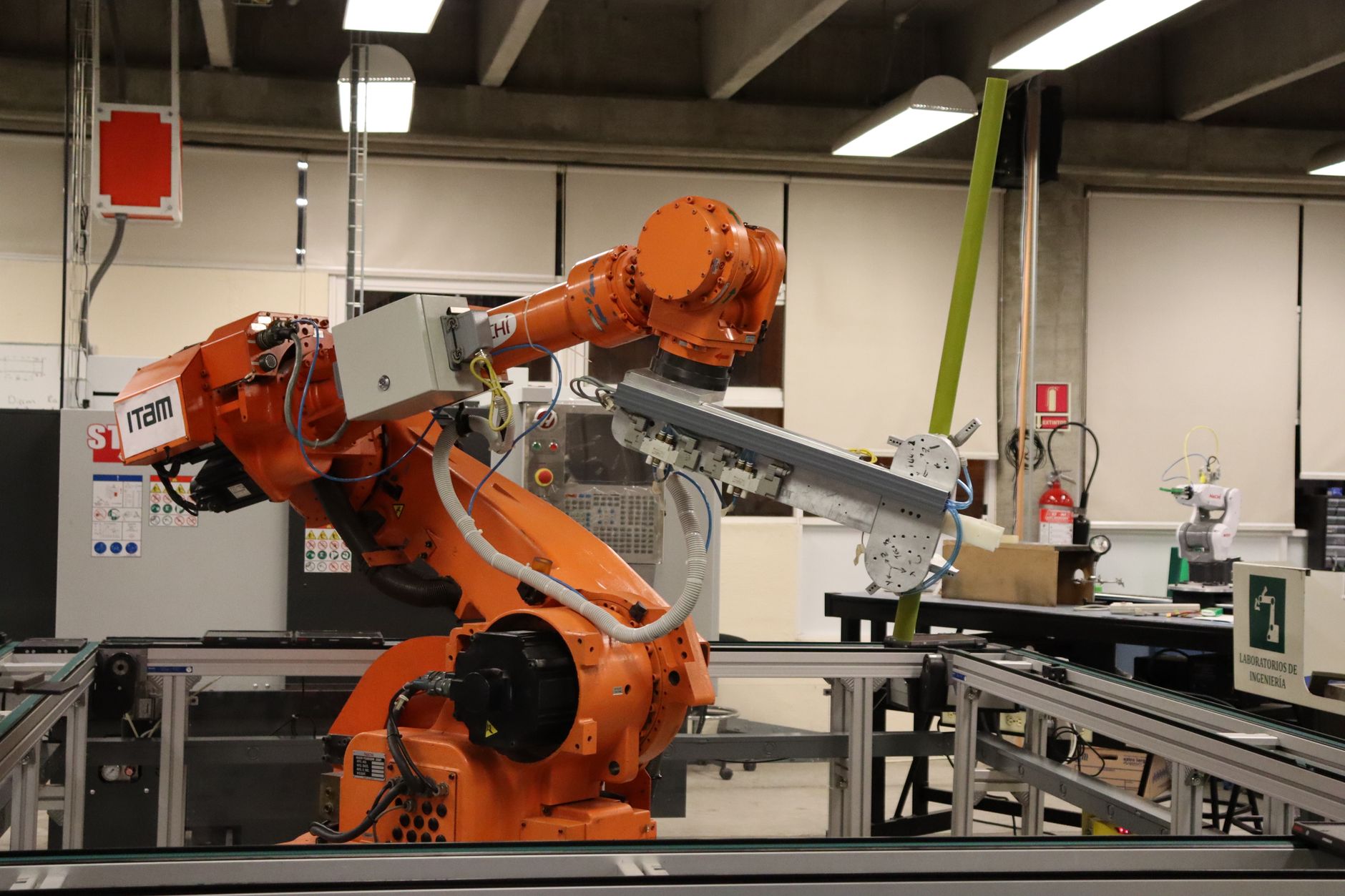
The scale of automation being deployed today is staggering. Raytheon's latest large-scale automation factory features robotic systems designed to test missile components under extreme conditions, representing the largest automated testing facility the company has ever built. This level of industrial automation demonstrates the growing demand for sophisticated software systems that can manage complex workflows, monitor performance metrics, and ensure quality control at unprecedented scales.
WILL YOUR BUSINESS SURVIVE THE NEXT 5 YEARS?
Find out in 5 minutes. 15 questions. Confidential.
Similarly, the renewable energy sector is pushing the boundaries of what's possible with automated manufacturing and installation processes. ScottishPower and Masdar's East Anglia THREE offshore windfarm recently achieved a UK record by installing 115-meter turbine blades, with all 285 blades manufactured domestically using advanced automated systems. The £4 billion project will generate enough clean energy for 1.3 million homes, showcasing how automation enables massive infrastructure projects that would be impossible through traditional manual processes.
For SaaS developers, these industrial advances reveal critical market needs. Companies require sophisticated data analytics platforms to monitor automated systems, predictive maintenance software to prevent costly downtime, and integration tools that connect disparate automated processes into cohesive workflows. The complexity of modern automation creates opportunities for specialized software solutions that can simplify management and optimization.
The restaurant industry provides another compelling example of how businesses are turning to technology-driven solutions to address operational challenges. Industry experts are emphasizing the need for innovative cost controls and operational efficiency rather than simple price increases to combat declining traffic and rising food costs. This shift toward operational optimization through technology represents a significant opportunity for SaaS platforms that can deliver real-time analytics, inventory management, and process automation to service-based businesses.
The workforce transformation aspect of this technological revolution cannot be overlooked. Cognizant's launch of Skillspring, an AI-native talent transformation platform, highlights the critical need for workforce AI readiness across industries. The platform addresses skilling as a fundamental AI infrastructure investment, recognizing that successful automation implementation requires human expertise to manage and optimize these systems.
This workforce evolution creates substantial opportunities for B2C SaaS platforms focused on education, training, and skill development. As industries increasingly rely on AI-driven automation, there's growing demand for accessible platforms that can help individuals and small businesses understand and leverage these technologies without requiring extensive technical expertise.
"The automation revolution we're witnessing across industries presents an incredible opportunity for SaaS companies to democratize access to sophisticated technologies. At Buji Development Corporation, we're focused on creating intuitive platforms that allow businesses of all sizes to harness the power of AI and automation without the complexity traditionally associated with enterprise-level solutions."
The entertainment and media industries also demonstrate how unexpected technological intersections can create new opportunities. The music industry's evolution, as reflected in veteran broadcaster Benson Idonije's observations about Burna Boy's rise, illustrates how digital platforms and global connectivity have transformed creative industries. This transformation parallels the broader trend of technology enabling previously impossible scales of reach and impact.
TO BE A DISRUPTOR, OR BE DISRUPTED, THAT IS THE QUESTION
"The 9th Disruption", your free copy. Read it before your competition does.
For SaaS companies, the key insight is that successful platforms must anticipate and adapt to rapidly changing user needs. The same technological forces driving industrial automation are reshaping consumer expectations for software accessibility, real-time functionality, and seamless integration across platforms.
The competitive advantage for SaaS companies lies in their ability to translate complex technological capabilities into user-friendly interfaces and workflows. While large corporations invest billions in custom automation solutions, smaller businesses need accessible, scalable platforms that can deliver similar benefits without requiring massive infrastructure investments.
Looking ahead, the most successful SaaS platforms will be those that can bridge the gap between cutting-edge automation capabilities and practical business applications. This includes developing APIs that integrate with industrial automation systems, creating analytics dashboards that make sense of complex operational data, and building training modules that help users maximize the value of automated processes.
The convergence of AI, automation, and cloud-based software delivery is creating unprecedented opportunities for innovation. Companies that can successfully combine the sophistication of enterprise-level automation with the accessibility and affordability of consumer-focused SaaS platforms will be well-positioned to capture significant market share in this evolving landscape.
As we move forward, the businesses that thrive will be those that recognize automation not as a replacement for human capability, but as a tool for amplifying human potential. SaaS platforms that embody this philosophy—making powerful technologies accessible, understandable, and actionable for everyday users—will play a crucial role in shaping the future of business operations across all industries.