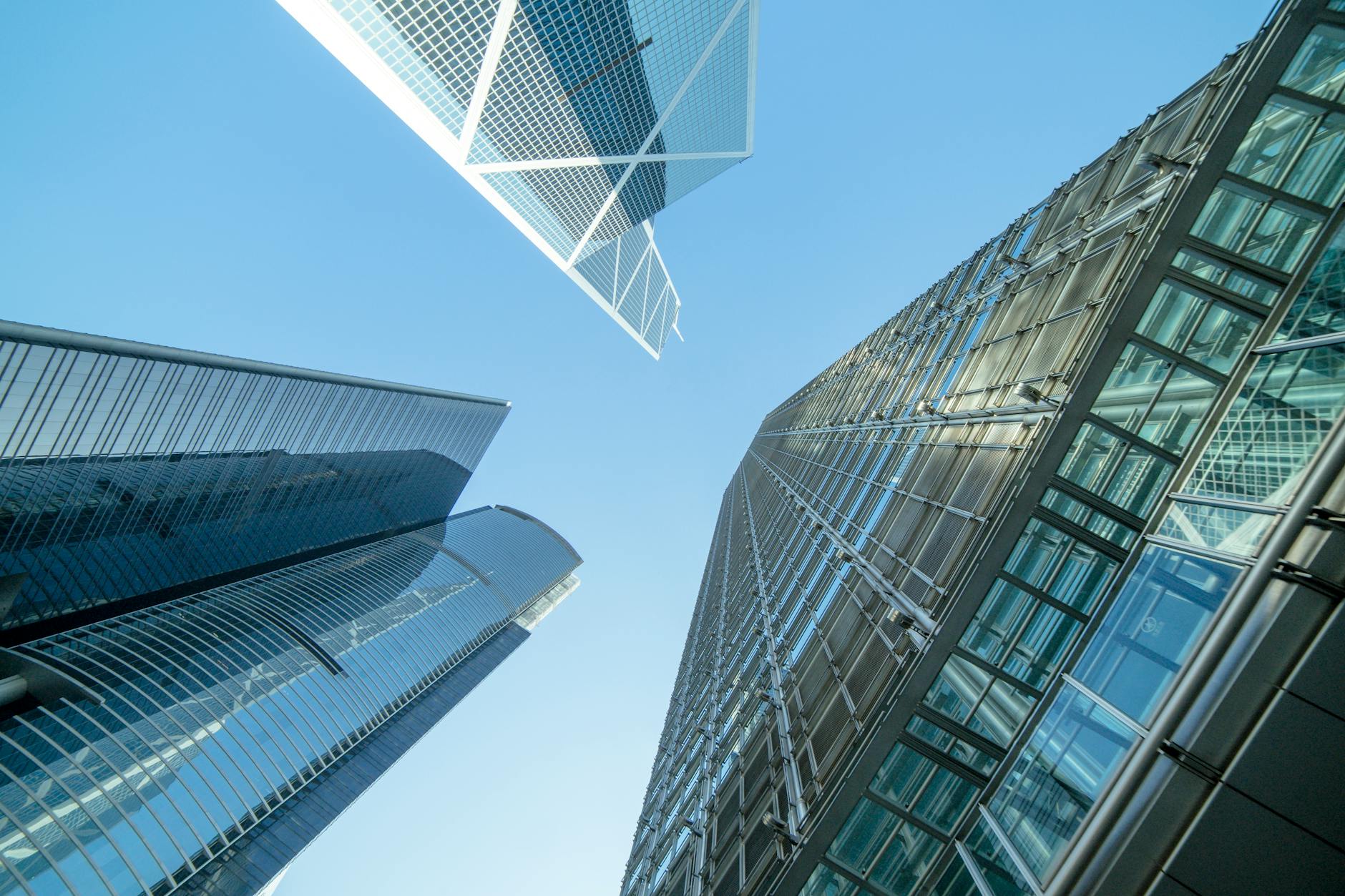

The construction industry has never operated in a vacuum. What happens in Beijing, Caracas, or Paris has a way of rippling through supply chains, labor markets, financial programs, and jobsite strategies faster than most contractors and developers expect. This week's global headlines offer five distinct signals that every construction professional — from the general contractor to the first-time developer — should be paying close attention to.
Infrastructure Investment Is Going Global — And the Opportunities Are Real
One of the most significant developments this week came out of Beijing, where Bangladesh and China signed 13 memorandums of understanding covering trade, investment, and infrastructure development following high-level bilateral talks between Prime Minister Tarique Rahman and Chinese Premier Li Qiang. The agreements signal a broader trend that has been building for years: nations are aggressively committing capital to physical infrastructure as a cornerstone of economic growth.
.png)
For construction professionals in the United States, this matters more than it might seem. When large economies formalize infrastructure investment pacts, it drives global demand for raw materials — steel, cement, copper wiring, lumber — which in turn affects domestic pricing. Understanding these macro-level agreements helps builders anticipate material cost fluctuations before they show up on a bid sheet. Staying educated on the financial landscape, including international investment flows, is no longer optional for serious players in this industry.
Disaster Response Reminds Us Why Resilient Design Saves Lives
On Thursday, communities across northern Venezuela were left devastated after back-to-back earthquakes killed more than 230 people and injured at least 4,300 more, with neighbors digging through rubble by hand to search for loved ones. The official death toll is expected to climb as thousands remain missing.
Tragedies like this are a sobering reminder of why building codes, seismic-resistant design, and quality construction practices are not bureaucratic red tape — they are life-safety systems. For construction educators and financial program advocates, this is also a moment to highlight why investing in resilient, code-compliant building is not just an ethical responsibility but a financial one. Properties built to higher structural standards carry lower insurance risk, attract better financing terms, and hold their value through catastrophic events. The cost of cutting corners is always measured in more than dollars.
.png)
"At Perez Digital Lifestyle, we believe that understanding the financial side of construction is just as important as understanding the physical build. When people know what programs are available to them — whether it's financing for resilient upgrades or investment incentives for infrastructure projects — they make smarter decisions that protect both their families and their bottom line. Education is the foundation before the foundation is ever poured."
— Raul Perez, Perez Digital Lifestyle
AI Is Transforming How Construction Decisions Get Made
Artificial intelligence is no longer a futuristic concept for the construction industry — it is actively reshaping how projects are planned, financed, and executed. This week, analysts doubled down on the growing dominance of data-driven platforms, with prominent tech analyst Daniel Ives stating that "more proof keeps coming" as enterprise AI platform Palantir continues expanding its reach across industries that depend on real-time data and improved decision-making.
.png)
Construction is one of the most data-intensive industries on the planet, yet historically one of the slowest to adopt analytics tools. Project timelines, subcontractor bids, materials procurement, permitting workflows, and financial modeling all generate enormous amounts of data — data that, when properly analyzed, can prevent costly overruns and identify funding opportunities that human teams might miss. Firms that begin integrating AI-assisted project management and financial analysis tools today are positioning themselves for a significant competitive advantage over the next decade. For contractors and developers exploring financial programs to fund technology upgrades, now is the time to ask the right questions.
Cybersecurity Is Now a Jobsite Issue
It may not feel like a construction story, but the arrest of an Iranian national in Montenegro — wanted by the United States for mass hacking attacks that caused an estimated $3.4 billion in damages — is a direct warning for every construction firm operating in the digital space.
Modern construction companies are increasingly dependent on cloud-based project management platforms, digital permitting portals, BIM (Building Information Modeling) software, and online financial applications. Each of these touchpoints represents a potential vulnerability. Small and mid-sized construction businesses are disproportionately targeted by cybercriminals precisely because they often lack the IT infrastructure of larger corporations. Protecting your business means investing in cybersecurity protocols, training your team to recognize phishing attempts, and ensuring that any financial program applications or sensitive client data are handled through secured, encrypted channels. The jobsite has gone digital — and so have the threats.
.png)
Climate Is Rewriting the Rules of the Built Environment
A historic heat wave gripped Paris this week, exposing uncomfortable contradictions at Paris Fashion Week — but the real story goes far beyond runway aesthetics. As venues sweltered, air conditioning failed, and water ran short, the event became an unintentional stress test of how poorly many existing structures are equipped for the climate realities of the present — let alone the future.
For the construction industry, extreme heat events are both a challenge and an opportunity. HVAC system upgrades, passive cooling design, green roofing, and high-efficiency insulation are no longer luxury additions — they are becoming standard expectations in new construction and renovation projects alike. Many of these upgrades are eligible for federal and state financial incentive programs, including energy efficiency tax credits and green building grants. Understanding how to access these programs is one of the most valuable skills a construction professional or developer can develop right now. The buildings that will command premium value in the coming decades are the ones being designed with climate resilience at their core today.
.png)
The Bottom Line: Stay Educated, Stay Ahead
From international infrastructure deals to earthquake devastation, AI adoption, cybersecurity threats, and climate-driven design demands, this week's global headlines share a single underlying message for the construction industry: the pace of change is accelerating, and the professionals who thrive will be those who stay informed, financially literate, and adaptable.
At Perez Digital Lifestyle, the mission is straightforward — help people in and around the construction space get educated on the financial programs and resources available to them. Because in an industry this complex and this consequential, knowledge isn't just power. It's the strongest structure you can build.