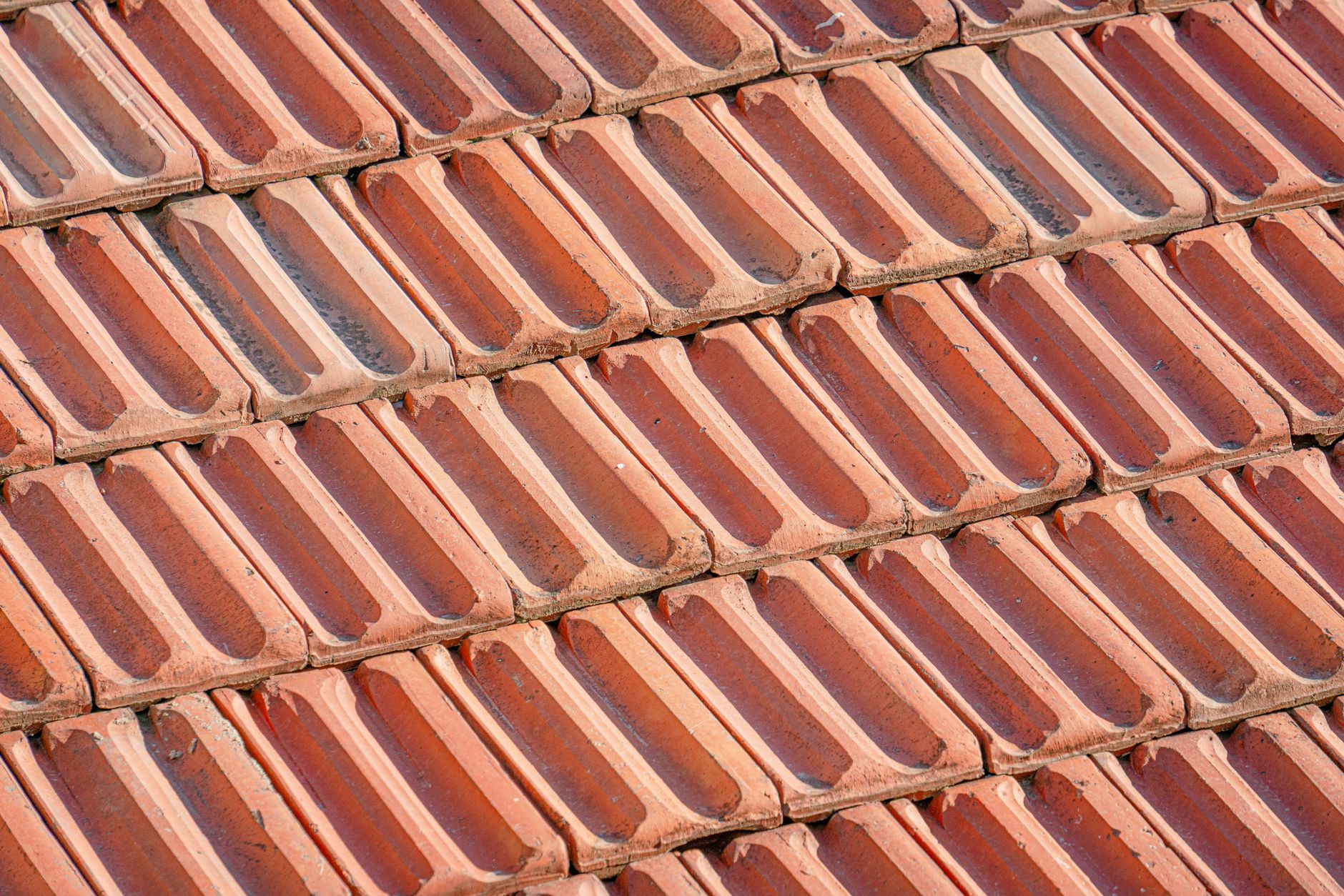
The world is sending loud, urgent signals right now — and if you own a building or a home, those signals are aimed directly at the roof over your head. From record-breaking heat waves paralyzing European capitals to catastrophic earthquakes reducing entire neighborhoods to rubble, the events dominating global headlines in June 2026 share a common thread: the structures we live and work inside are being tested harder than ever before. For property owners in the United States, the lesson isn't abstract. It's structural, financial, and immediate.
Let's start with the heat. A historic heat wave gripped Paris this week during Fashion Week Men's, turning luxury venues into sweltering boxes and exposing a stark truth: even the world's most sophisticated infrastructure is woefully underprepared for sustained extreme heat. Ice packs and mist machines couldn't compensate for inadequate ventilation and the near-total absence of effective cooling. If Paris — a city of architectural pride — can be caught flat-footed by heat, what does that say about the average commercial building or residential home in America's Sun Belt, Midwest, or Mid-Atlantic regions?
.png)
The answer is uncomfortable. Most roofing systems installed more than 10 to 15 years ago were not engineered with today's thermal load in mind. Aging asphalt shingles crack and curl under prolonged UV exposure. Flat commercial roofs with deteriorating membranes allow heat transfer that drives up energy costs by double digits. TPO and EPDM systems, when properly installed and maintained, are specifically designed to reflect solar energy and reduce thermal bridging — but only when they're in peak condition. A compromised seam, a blistered field membrane, or a blocked drain can turn a manageable heat event into a costly interior damage scenario almost overnight.
Paul Mikel, owner of Revolution Roofing, puts it plainly:
.png)
"The roof isn't just a cover — it's your building's first line of defense against everything the environment throws at it. When extreme heat hits, a roof that's been neglected doesn't just fail quietly; it fails expensively. The smartest thing any property owner can do is get ahead of the problem before the season demands it."
That urgency is reinforced by what we saw in Venezuela this week. Back-to-back earthquakes killed more than 230 people and left thousands injured, with neighbors digging through rubble searching for loved ones. The images are heartbreaking. The structural lesson, however, is one that applies far beyond seismic zones: buildings fail when they haven't been maintained to withstand stress. Roofing systems that have suffered years of deferred maintenance — cracked flashings, failed caulking, rusted metal components, weakened decking — are structurally compromised before any extreme weather event even begins. The earthquake doesn't create the weakness. It reveals it.
For commercial property owners especially, this is not a theoretical risk. A single catastrophic roof failure can mean business interruption, inventory loss, liability exposure, and insurance complications that take months or years to resolve. The ROI on proactive roofing maintenance and timely system replacement is not difficult to calculate — it's the difference between a planned capital expense and an emergency one that arrives at the worst possible moment.
.png)
Now consider the technology angle. Palantir's continued expansion in enterprise AI is being driven by one core premise: real-time data leads to better decisions. Analyst Daniel Ives has noted that "more proof keeps coming" as companies adopt AI platforms to act on information before problems escalate. The roofing industry is experiencing its own version of this transformation. Thermal imaging drones, moisture detection scanning, and digital roof management platforms now allow contractors and property managers to identify failure points that are invisible to the naked eye — trapped moisture beneath a membrane, thermal bridging at a parapet wall, micro-fractures in a coating system. Revolution Roofing integrates these diagnostic tools into every commercial assessment, because the data doesn't lie and neither does a failing roof.
The global infrastructure conversation is also accelerating at the policy level. Bangladesh and China recently signed 13 memorandums of understanding covering trade, investment, and infrastructure development — a signal that major economies worldwide are doubling down on built-environment investment as a strategic priority. Infrastructure resilience isn't just a local concern; it's a global economic imperative. When governments and multinational partners are committing resources to building systems that last, private property owners should be asking the same question: is my building infrastructure keeping pace?
.png)
And then there's the cybersecurity parallel that property owners often overlook. An Iranian national wanted by the U.S. for mass hacking attacks causing $3.4 billion in damage was arrested in Montenegro this week. The story is a stark reminder that vulnerabilities — whether digital or physical — are exploited by circumstances when defenses haven't been maintained. A building's envelope, including its roof, is no different. Gaps in protection don't stay gaps forever. They become entry points for water, heat, and structural failure at the precise moment conditions are most severe.
For residential homeowners, the calculus is equally direct. A damaged or aging roof doesn't just threaten your home's structure — it threatens your family's comfort, your energy bills, your insurance premiums, and ultimately your property value. Metal roofing systems, architectural shingles, and reflective coatings are no longer premium upgrades reserved for new construction. They are practical, cost-effective solutions that pay dividends in durability and energy efficiency for decades.
.png)
Revolution Roofing's core philosophy — precision, integrity, and relentless dedication — exists precisely because the stakes are this high. Whether it's a commercial flat roof system in need of a TPO overlay, a residential shingle replacement before storm season, or an industrial coating project designed to extend asset life by 15 years, the work matters. Every seam, every fastener, every flashing detail is the difference between a roof that performs and one that fails.
The world is changing fast. Temperatures are rising. Structures are being tested. The question for every property owner is simple: is your roof ready? If there's any doubt, the time to find out is before the next heat wave, not during it. You don't need a ladder. You need a network — and a team that treats your property with the same urgency you do.